
Scientific Revolution
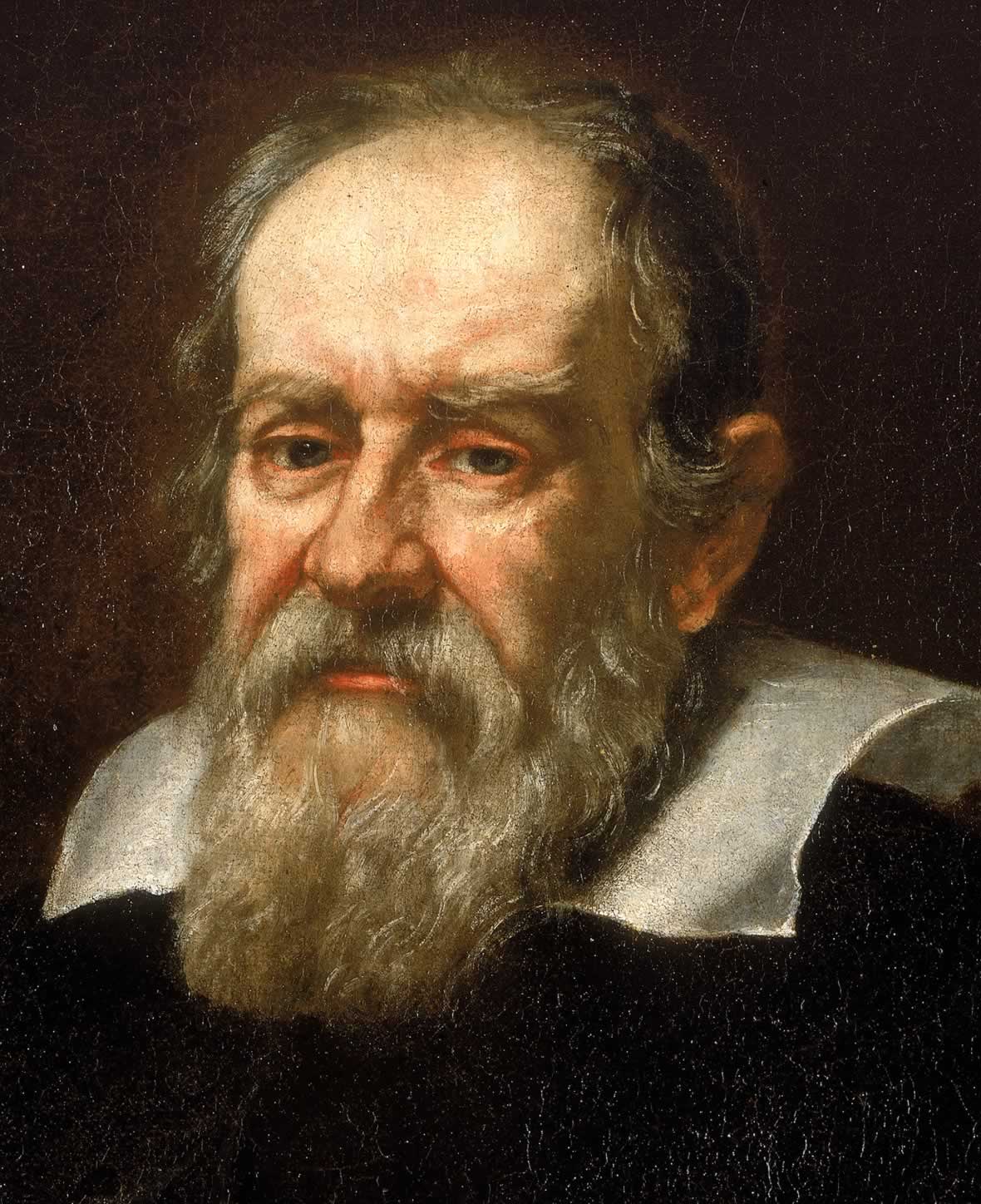
Credit: Justus Sustermans · Public domain
The Scientific Revolution was a period of huge change in how people understood the world. It happened in Europe between about 1543 and 1700. During this time, thinkers stopped trusting old books for all their answers. Instead, they started doing careful experiments and watching nature for themselves. The ideas they came up with shaped almost all of modern science.
Before the Scientific Revolution, most Europeans believed the Earth sat still at the center of the universe. The Sun, Moon, planets, and stars were thought to circle around it. This idea came from an ancient Greek thinker named Ptolemy, and the Catholic Church taught it as truth for over a thousand years.
Then, in 1543, a Polish astronomer named Nikolaus Copernicus published a book with a different idea. He said the Sun was at the center, and Earth and the other planets moved around it. Many people were shocked. Copernicus waited until he was dying to publish his book, partly because he knew the idea would upset powerful people.
Other thinkers built on his work. The Italian astronomer Galileo Galilei pointed one of the first telescopes at the night sky in 1609. He saw moons orbiting Jupiter, which proved that not everything circled Earth. The Catholic Church put Galileo on trial in 1633 and forced him to take back his words. He spent the rest of his life under house arrest.
The biggest leap came from an English scientist named Isaac Newton. In 1687, he published a book explaining gravity and the laws of motion. Newton showed that the same force pulling an apple to the ground also keeps the Moon in orbit. With math, he could predict how planets moved. His ideas held up for more than 200 years.
The Scientific Revolution was about more than just famous discoveries. It changed how people looked for answers. Thinkers like Francis Bacon argued that real knowledge had to come from observation and experiment, not from trusting ancient writers. This way of thinking became the scientific method, the same set of steps scientists still use today.
The revolution did not happen everywhere or all at once. Many people kept believing older ideas long after Newton died. Historians sometimes argue about when it really started and ended, and whether "revolution" is even the right word for changes that took 150 years. But almost everyone agrees that the world after Newton was a very different place to think in.
Related
Last updated 2026-04-26