
Metamorphosis
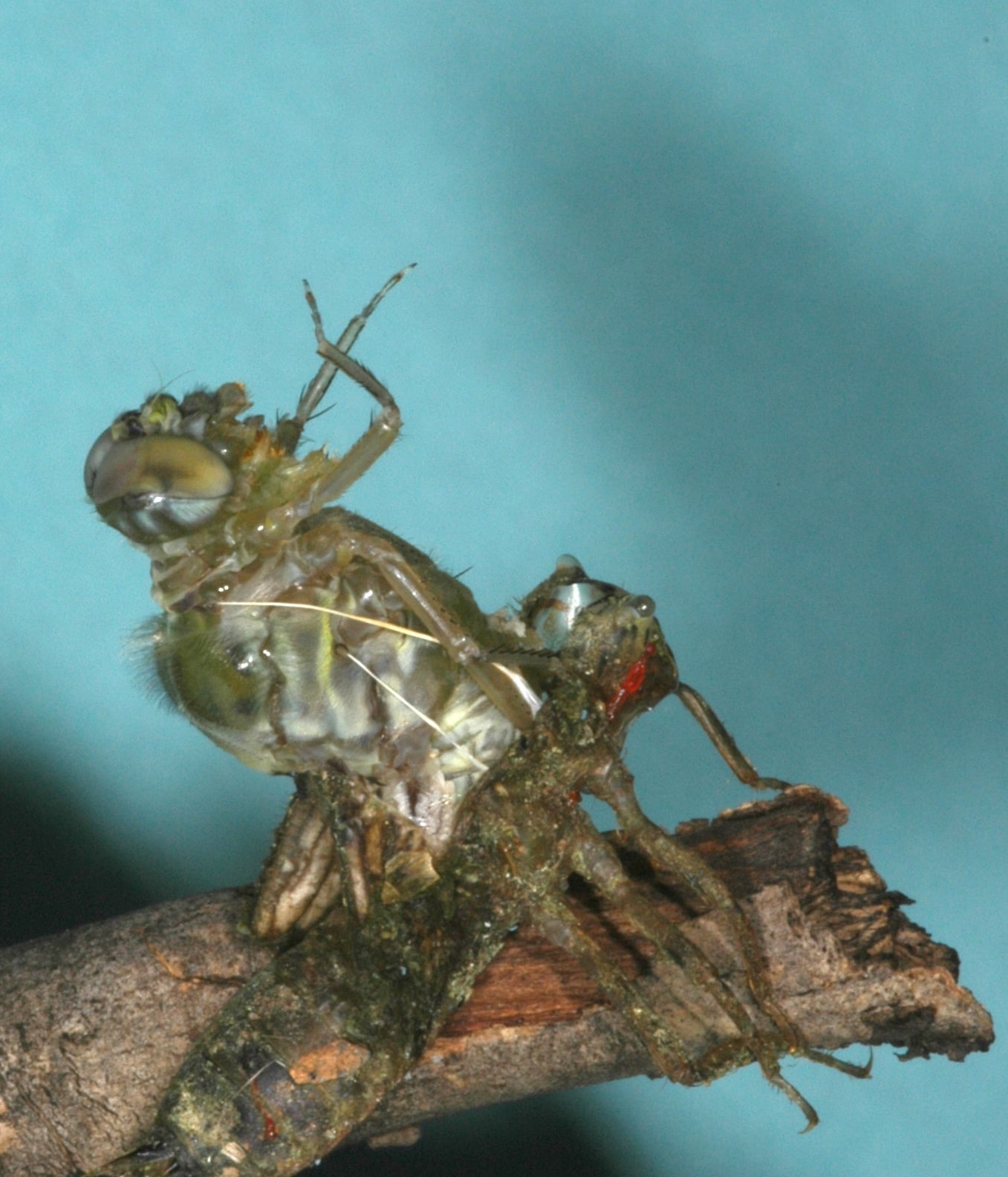
Credit: Clinton & Charles Robertson from Del Rio, Texas & College Station, TX, USA · CC BY 2.0
Metamorphosis is a big change in the body shape of an animal as it grows up. The word comes from two Greek words that mean "change of form." Many insects and amphibians go through metamorphosis. A caterpillar turns into a butterfly. A tadpole turns into a frog. The young animal and the adult animal often look so different that you would never guess they were the same creature.
There are two main kinds of metamorphosis in insects. The first is called complete metamorphosis. It has four stages: egg, larva, pupa, and adult. Butterflies, beetles, bees, ants, and flies all go through complete metamorphosis. The larva is the hungry, growing stage. A caterpillar is a larva. It eats almost nonstop and can grow to 1,000 times its starting weight in just a few weeks. That would be like a human baby growing to the size of a small car.
The pupa stage is where the magic happens. A caterpillar wraps itself in a hard case called a chrysalis. Inside, most of its body breaks down into a thick liquid. Small groups of cells that were waiting quietly, called imaginal discs, use that liquid to build a new body with wings, long legs, and antennae. About two weeks later, a butterfly climbs out.
The second kind is called incomplete metamorphosis. It has only three stages: egg, nymph, and adult. A nymph looks like a tiny version of the adult, but without full wings. Grasshoppers, crickets, and dragonflies grow up this way. They shed their skin several times, getting bigger each time, until they reach their adult size.
Frogs and toads also go through metamorphosis, but in water. A frog egg hatches into a tadpole, a small swimming creature with a tail and gills. Over a few months, the tadpole grows back legs, then front legs. Its tail slowly shrinks and gets absorbed into its body. Its gills disappear, and lungs grow in their place. Finally, a young frog hops out onto land.
Why do animals do this? Scientists think metamorphosis lets young and adult animals live in different ways without competing with each other. A caterpillar eats leaves. A butterfly drinks flower nectar. They never fight over the same food. A tadpole lives in the pond. A frog lives on the shore. One animal, two lives, two different jobs in nature.
Last updated 2026-04-23