
Experiment
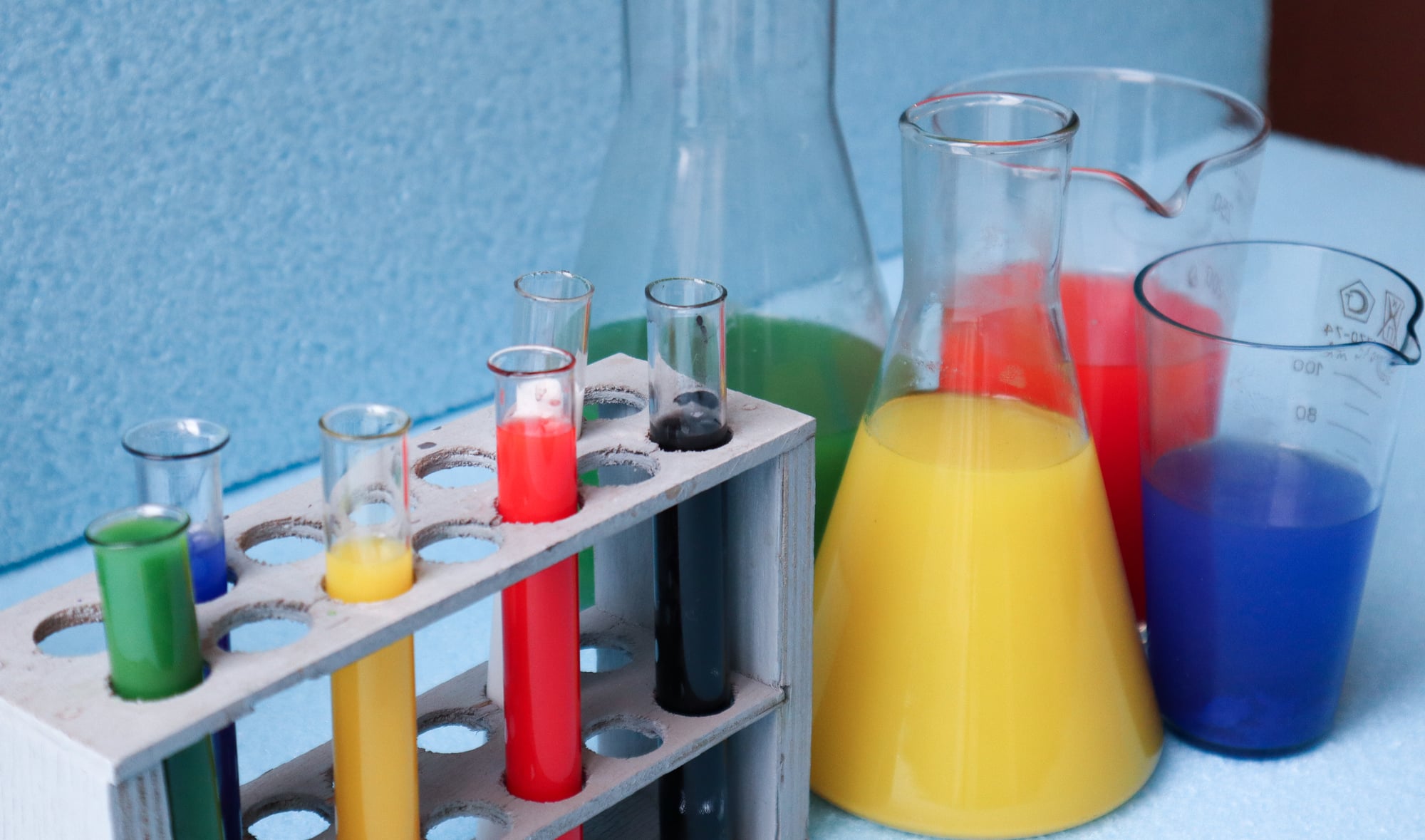
Credit: Belikov Maxim · CC BY 4.0
An experiment is a test that scientists run to find out if an idea is true. Scientists start with a question about how something works. They make a careful guess called a hypothesis. Then they design a test to see if the guess is right or wrong. Experiments are the main way humans learn new facts about the natural world.
A good experiment changes one thing at a time. The thing being changed is called the variable. Everything else must stay the same. Imagine you want to know if plants grow better with sunlight or in the dark. You would use two plants of the same kind and the same size. You would give them the same soil, the same water, and the same pot. The only difference would be the light. If one plant grows taller, you can trust that the light made the difference.
Scientists also use a control group. The control is the part of the experiment that gets no special treatment. It gives you something to compare your results against. Doctors testing a new medicine give the real medicine to one group of people and a fake pill to another group. Neither group knows which one they got. That way, the results show what the medicine really does.
Experiments must be repeatable. If one scientist makes a discovery, other scientists around the world should be able to run the same test and get the same answer. If they cannot, the first result was probably wrong. This habit of checking each other's work is what makes science trustworthy.
Some famous experiments changed what people thought was true. In 1881, Louis Pasteur showed that a new vaccine could protect sheep from a deadly disease. He treated half the sheep and left the other half alone. Weeks later, the treated sheep were still healthy, and most of the untreated sheep had died. The test proved vaccines worked.
Not every experiment happens in a lab. Astronomers run experiments by pointing telescopes at different stars. Biologists run them in forests and oceans. Kids run them at home when they mix baking soda and vinegar or drop two balls off a porch to see which lands first.
Experiments also fail often, and that is fine. A failed experiment still teaches you something. The famous inventor Thomas Edison tested thousands of materials before finding one that worked in a light bulb. When asked about his failures, he said he had simply found thousands of ways that would not work.
Related
Last updated 2026-04-23