
Blizzard
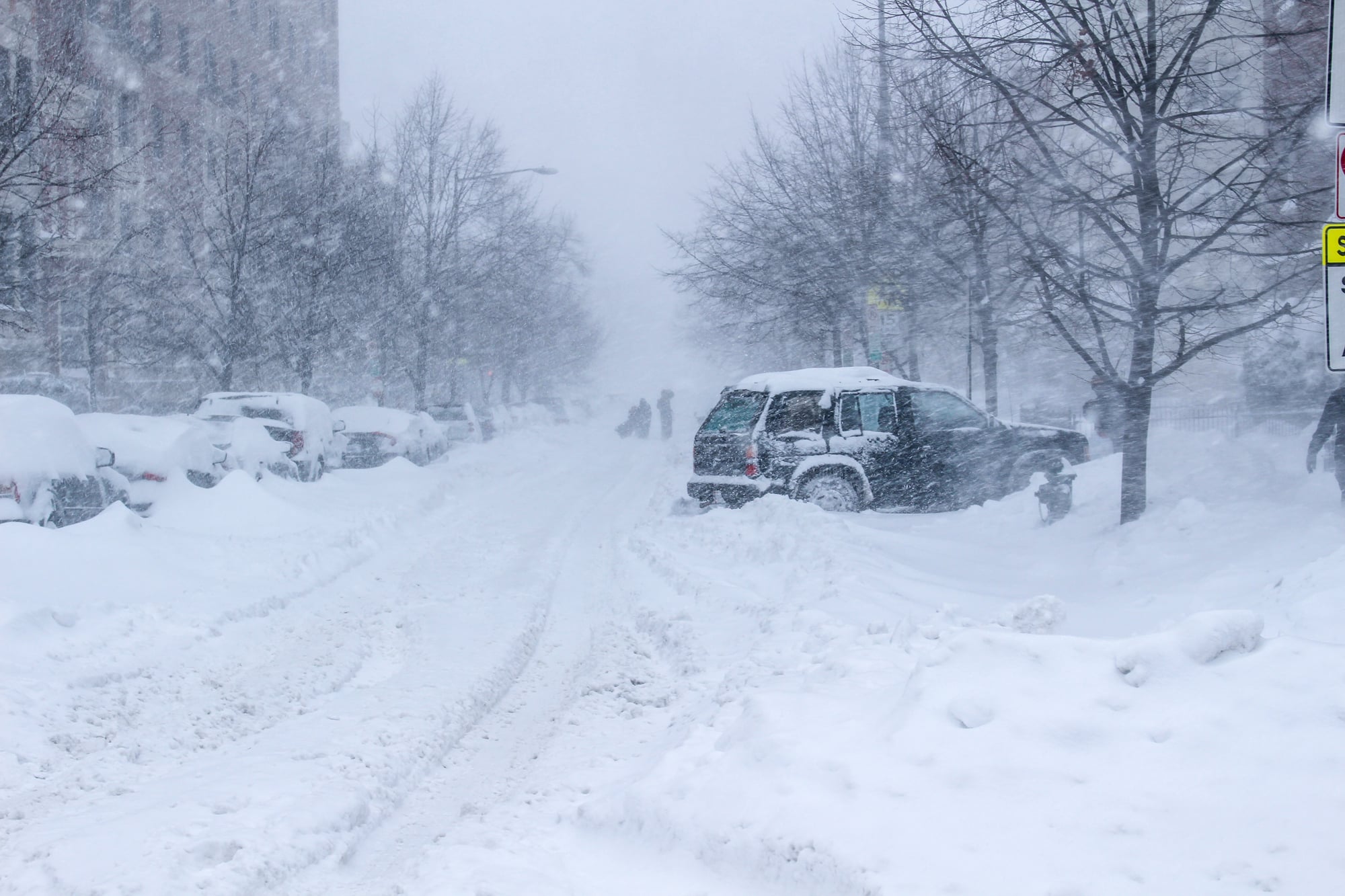
Credit: NOAA Photo Library · CC BY 2.0
A blizzard is a powerful winter storm with strong winds and blowing snow. The U.S. National Weather Service has a clear definition. To count as a blizzard, three things must happen at once. Winds must blow at least 35 miles per hour. Snow must cut visibility to less than a quarter mile. And these conditions must last for at least three hours.
Notice what is missing from that list. A storm does not have to drop a lot of new snow to be a blizzard. The wind is the key. Strong gusts can pick up snow that fell days ago and whip it through the air. This is called a ground blizzard, and the Great Plains see them often.
Blizzards form when very cold air crashes into warmer, wetter air. The two air masses fight along a line called a front. Warm air rises, cools, and drops its moisture as snow. Meanwhile, the difference in pressure between the air masses creates fierce winds. In the United States, these storms often build over the Rocky Mountains or sweep down from Canada. Then they roar across the Midwest and Northeast.
The blowing snow creates a danger called a whiteout. In a whiteout, a person cannot see more than a few feet in any direction. The sky and the ground blur into one white wall. Drivers have crashed because they could not see the road. Hikers have gotten lost just steps from their own front doors.
Cold makes blizzards even more dangerous. Wind pulls heat away from skin much faster than still air does. This is called wind chill. On a blizzard day, the air might read 10 degrees Fahrenheit, but the wind chill can feel like 30 below. Skin can freeze in minutes.
The Great Blizzard of 1888 hit the northeastern United States in March of that year. Snow piled up to 50 inches in some places, taller than most fourth graders. Wind drifts buried whole houses. More than 400 people died. The disaster pushed New York City to start building its subway, so people could travel safely underground during winter storms.
Blizzards happen on every continent that gets snow, including Antarctica, where some of the strongest winds on Earth blast across the ice. Scientists are watching to see how a warming climate will change them. Some storms may bring less snow overall. Others may dump more, because warmer air can hold more moisture before it freezes and falls.
Related
Last updated 2026-04-25