
Wind
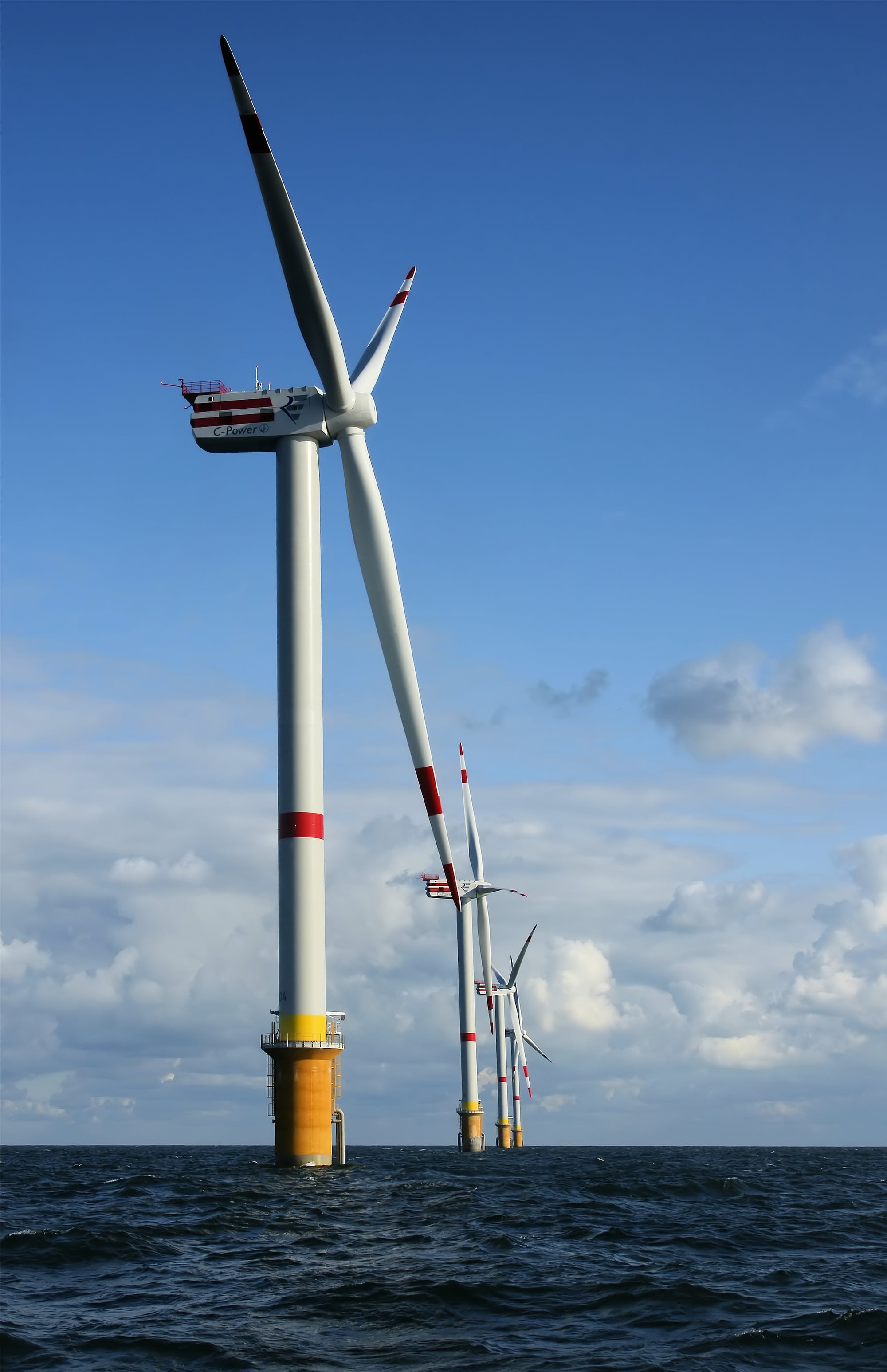
Credit: Hans Hillewaert · CC BY-SA 4.0
Wind is moving air. It happens when air flows from one place to another across the surface of the Earth. You cannot see wind, but you can see what it does. It bends trees, ruffles water, pushes clouds across the sky, and lifts kites off the ground.
Wind is caused by the sun. The sun heats the Earth, but it does not heat every spot equally. Land warms up faster than water. The middle of the Earth, near the equator, gets more direct sunlight than the poles. When air gets warm, it spreads out and rises. Cooler air then rushes in to take its place. That rushing air is wind.
You can feel this on a small scale at the beach. During the day, the sand heats up faster than the ocean. Warm air rises off the sand, and cooler air blows in from the water. That is why beaches are usually breezy in the afternoon. At night the pattern flips, because the land cools faster than the sea.
On a bigger scale, the same idea creates global wind patterns. Warm air rises near the equator and flows toward the poles. Cold air at the poles sinks and flows back toward the equator. The spinning of the Earth bends these flows into curved paths. Sailors learned to use them hundreds of years ago. The trade winds carried ships across the Atlantic Ocean, and the jet stream still helps airplanes fly faster from west to east today.
Wind speed is measured with a tool called an anemometer. It usually has three or four small cups that spin in the breeze. Scientists also use the Beaufort scale, which describes wind by what it does. A gentle breeze rustles leaves. A strong breeze opens umbrellas inside out. A hurricane uproots trees and tears off roofs.
Wind can be both helpful and dangerous. It carries seeds and pollen, which lets plants spread to new places. It pushes sailboats and spins wind turbines that make electricity. But strong winds in hurricanes and tornadoes can flatten houses and knock down power lines. A tornado's winds can reach over 300 miles per hour, faster than a race car at top speed.
Wind shapes the planet too. Over millions of years, blowing sand wears down rock and carves cliffs into strange shapes. Whole sand dunes in the Sahara Desert move slowly across the ground, pushed by the steady wind. The air around you is restless, and it has been reshaping the world for as long as the Earth has had an atmosphere.
Related
Last updated 2026-04-25