
Medieval Europe
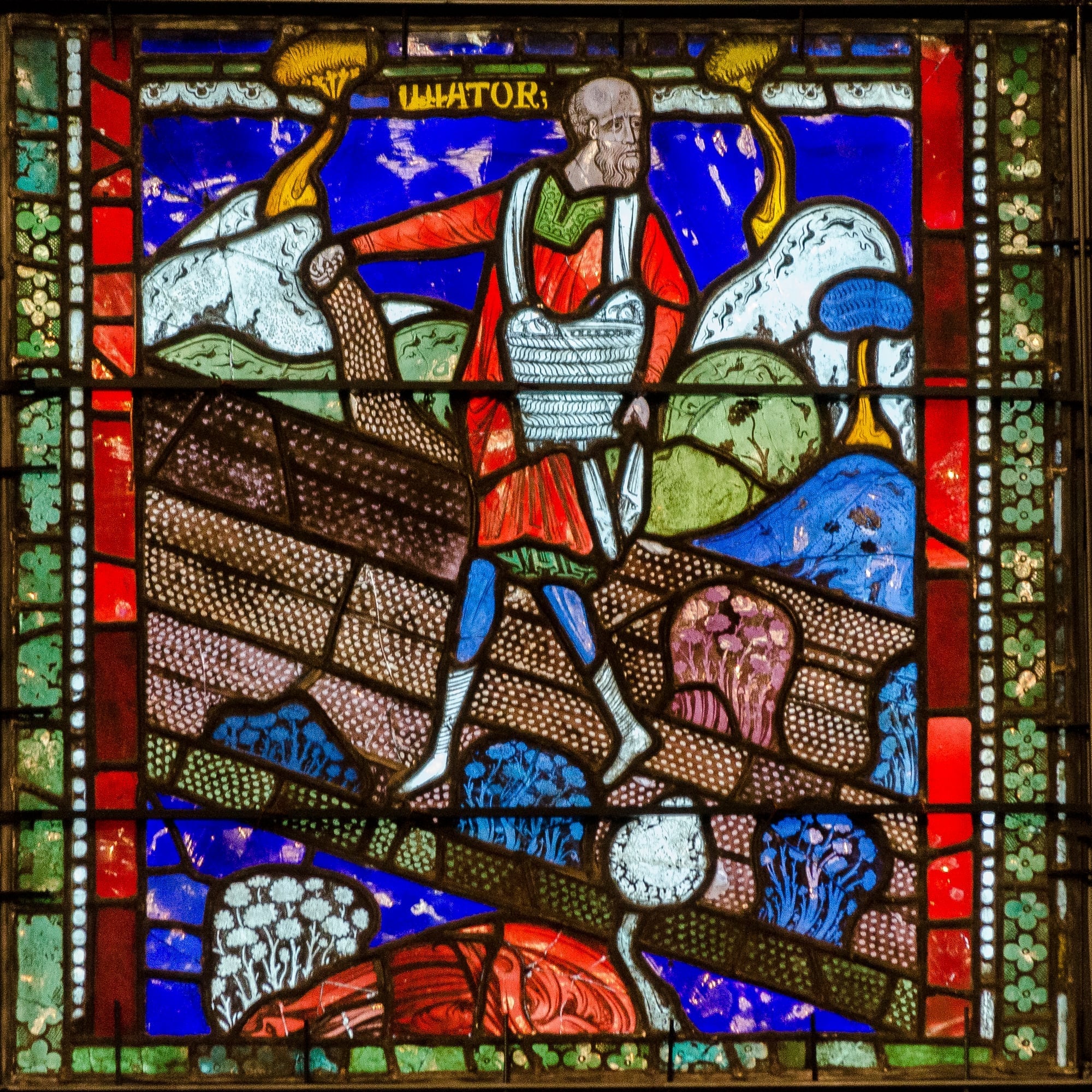
Credit: Jules & Jenny from Lincoln, UK · CC BY 2.0
Medieval Europe was the part of European history that lasted from about 500 to 1500. It is also called the Middle Ages because it sits between ancient times and the modern world. The era began after the fall of the Roman Empire in western Europe. It ended around the time of the Renaissance and the first voyages to the Americas.
When Rome fell, the strong central government in western Europe broke apart. Roads, schools, and trade routes that Rome had built fell into disrepair. Small kingdoms and tribes took over. People had to depend on their local lords for protection.
This led to a system called feudalism. A king gave large areas of land to nobles. The nobles let peasants live and farm on the land. In return, the peasants gave the nobles food and labor. Most people in medieval Europe were peasants. They worked from sunrise to sunset, lived in small wooden homes, and almost never traveled more than a few miles from where they were born.
Nobles built castles to defend their land. A castle had thick stone walls, towers, and sometimes a moat filled with water. Inside lived the lord, his family, his servants, and his soldiers. Knights were soldiers who fought on horseback in heavy armor. A full suit of plate armor could weigh 50 pounds, about as much as a large bag of dog food. Knights followed a code called chivalry, which told them to be brave, loyal, and respectful.
The Catholic Church was the most powerful organization in medieval Europe. Almost everyone was Christian, and the Pope in Rome had huge influence over kings. Monks and nuns lived in monasteries, where they prayed, farmed, and copied books by hand. Most learning happened in these places. Towering stone cathedrals went up across Europe, and some took more than 100 years to finish.
Medieval life was hard. In 1347, a disease called the Black Death swept across Europe. It killed about one out of every three people in just a few years. Whole villages emptied out. The disaster shook people's trust in the old way of life.
Historians used to call this whole era the "Dark Ages," but most no longer use that term. They argue that medieval Europe was not dark at all. It produced universities, eyeglasses, mechanical clocks, beautiful art, and great literature like the stories of King Arthur. By the end of the Middle Ages, Europeans were ready to explore new oceans, print books on machines, and ask new questions about the world. The medieval world was ending, and a new one was about to begin.
Related
Last updated 2026-04-26