
Feudalism
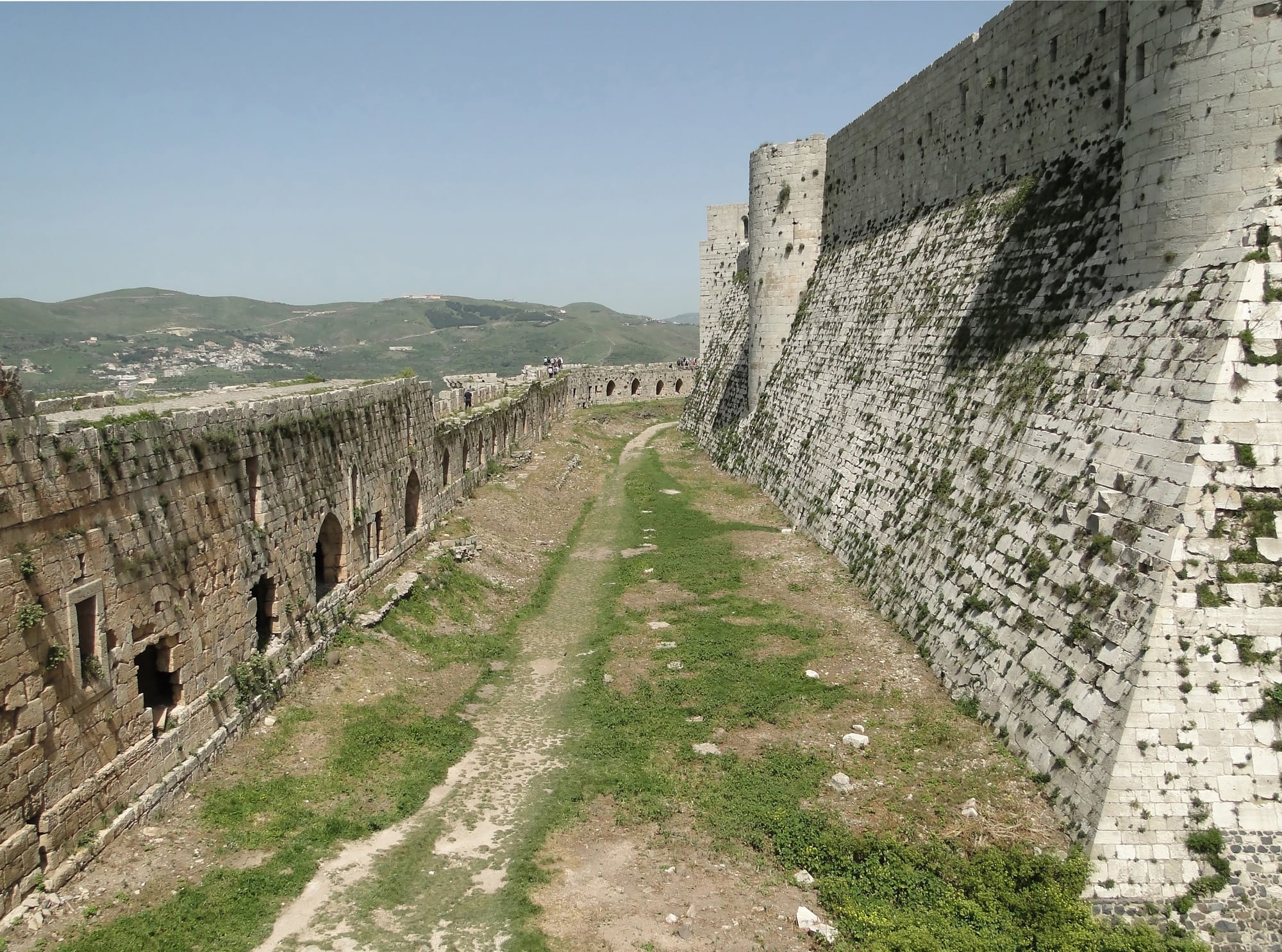
Credit: Bernard Gagnon · CC BY-SA 3.0
Feudalism was a system of power and land that shaped much of Europe during the Middle Ages. It worked roughly from the 800s to the 1400s. Under feudalism, land was the most important kind of wealth. People at the top of society traded protection and land for loyalty and labor from the people below them. A similar system grew up in Japan during about the same centuries, with samurai instead of knights.
At the top of the European system was the king. The king claimed to own all the land in his kingdom. He gave large chunks of it to powerful nobles called lords. In return, each lord swore loyalty to the king and promised to send soldiers when the king needed an army. Lords then split their land into smaller pieces and gave those to knights. The knights swore loyalty to the lord and fought for him in battle.
At the bottom were the peasants, also called serfs. Serfs made up about nine out of every ten people in medieval Europe. They lived on small plots of a lord's land and farmed it. They had to give a share of their crops to the lord and work extra days on his fields. In exchange, the lord let them stay on the land and protected them from attack. Serfs were not slaves, but they were not free either. They could not leave the land without permission, and their children usually became serfs too.
A lord's land and everything on it was called a manor. A manor was almost like a tiny country. It had its own fields, mill, church, and sometimes a castle. Most serfs spent their whole lives without traveling more than a few miles from where they were born.
Feudalism began to break down in the late Middle Ages. The Black Death killed about a third of Europe's people in the 1300s. With so few workers left, peasants could demand wages and freedom. Cities grew, money replaced trades of crops and labor, and kings gathered more power for themselves. By the 1500s, feudalism had mostly faded in western Europe.
Historians still debate how to define feudalism, and some argue the word covers too many different systems to be useful. Even so, the basic shape stuck in human memory: castles on hills, knights on horseback, and farmers in the fields below. Many fairy tales and fantasy stories still borrow that picture, even though the real system ended hundreds of years ago.
Related
Last updated 2026-04-26