
Feudal Japan
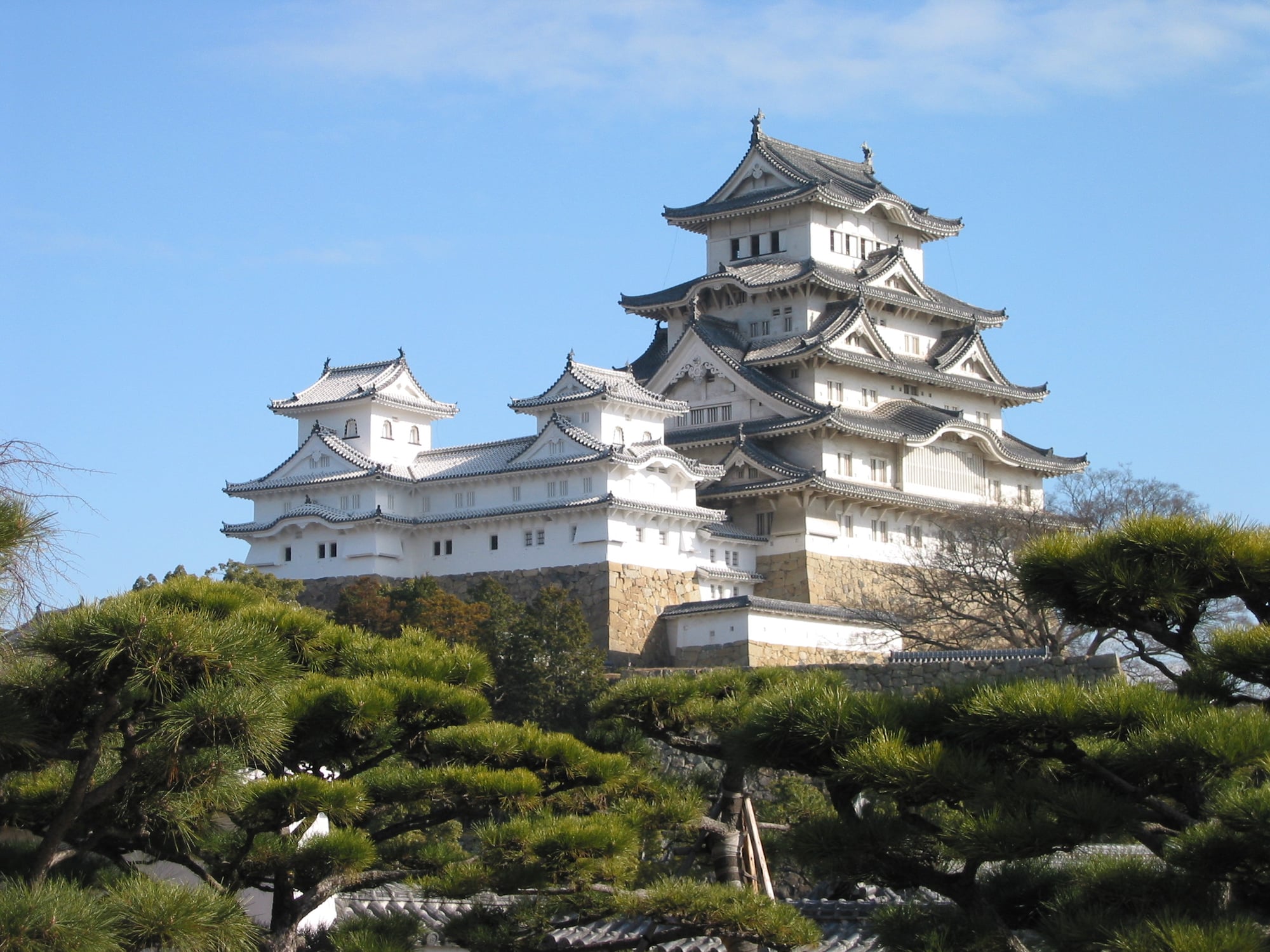
Credit: by ja:User:Reggaeman · Public domain
Feudal Japan was a long period in Japanese history when the country was ruled by warrior lords and their armies of samurai. It lasted for almost 700 years, from about 1185 to 1868. During this time, the emperor sat on the throne, but he had little real power. The true rulers were generals called shoguns and the noble families who served them.
The system worked a lot like feudal Europe at the same time. At the top was the shogun, the chief military ruler. Below him were powerful lords called daimyo. Each daimyo controlled his own land and his own army. The samurai were the warriors who served the daimyo. Below the samurai came farmers, craftsmen, and merchants. Most people were farmers, and they grew the rice that fed everyone else.
Samurai followed a strict code of honor called bushido, which means "the way of the warrior." Bushido taught loyalty, courage, and self-control. A samurai was expected to serve his lord even if it cost him his life. Samurai trained with two swords, a long one and a short one, and they were the only people in Japan allowed to carry both.
Daimyo built huge stone castles to protect their lands. Some of these castles still stand today. Himeji Castle, finished in 1609, has white walls and curved roofs that make it look like a giant bird taking flight. Castles were not just forts. They were also homes, government offices, and small cities all in one.
In 1274 and again in 1281, the Mongol Empire tried to invade Japan. Both times, huge storms wrecked the Mongol fleets before they could land. The Japanese called these storms kamikaze, or "divine wind," and many believed the gods themselves had saved Japan.
For a long time, Japan was torn apart by wars between rival daimyo. Then in the early 1600s, a leader named Tokugawa Ieyasu defeated his rivals and took control. His family, the Tokugawa shoguns, ruled for more than 250 years. They closed Japan off from the rest of the world. Foreign traders were told to leave, and Japanese people were not allowed to travel abroad. Only a few Dutch and Chinese merchants could visit one small island near Nagasaki.
This long peace finally ended in 1853. American warships sailed into Tokyo Bay and forced Japan to open its ports to trade. The shock shook the whole system apart. By 1868, the shogun was gone, the samurai class was ending, and the emperor was put back in charge. Japan rushed to build factories, railroads, and a modern army. The age of feudal Japan was over, but its castles, stories, and code of honor are still famous around the world.
Related
Last updated 2026-04-26