
Democracy
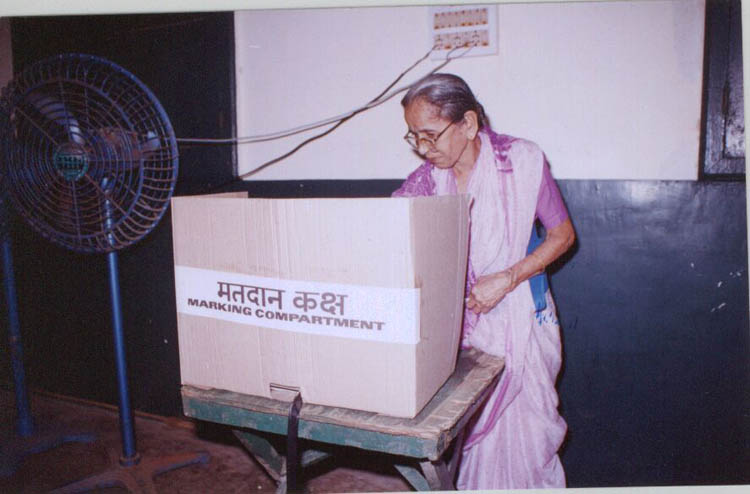
Credit: Government of India · GODL-India
Democracy is a system of government in which the people choose their leaders by voting. The word comes from ancient Greek and means "rule by the people." In a democracy, citizens have the power to decide who runs the country and what laws are made. This is different from a monarchy, where one ruler holds power for life, or a dictatorship, where one person or group takes power by force.
The first known democracy began about 2,500 years ago in the city of Athens in ancient Greece. Athenian citizens met in a large outdoor space and voted directly on laws by raising their hands. But Athenian democracy was limited. Only free adult men born in Athens could vote. Women, enslaved people, and foreigners could not. Even so, the idea was new and powerful, and it slowly spread.
Most modern democracies do not work the way Athens did. Today there are too many people for everyone to vote on every law. Instead, citizens vote for representatives, such as members of Congress or Parliament, who make the laws for them. This is called representative democracy. The United States, India, Germany, Brazil, and many other countries use this system. India is the largest democracy in the world, with more than 900 million people eligible to vote.
A democracy needs more than just elections to work well. Most democracies also protect basic rights, such as freedom of speech, freedom of religion, and the right to a fair trial. They have written rules, often called a constitution, that limit what the government can do. They allow more than one political party, so voters have a real choice. And they have courts that are independent from the people in power.
The right to vote has not always been fair, even in democracies. When the United States was founded in 1776, only white men who owned property could vote. Black Americans gained the legal right to vote in 1870, though many states blocked them for nearly another hundred years. Women in the United States did not win the vote until 1920. Around the world, the fight to expand voting rights is still going on.
Democracies are not perfect. People disagree about who should lead, what the laws should say, and how to fix problems. Elections can be close and angry. But supporters of democracy argue that hearing from everyone, even imperfectly, leads to better decisions than letting one person decide alone. As President Abraham Lincoln once described it, democracy is "government of the people, by the people, for the people."
Related
Last updated 2026-04-26