
Ship
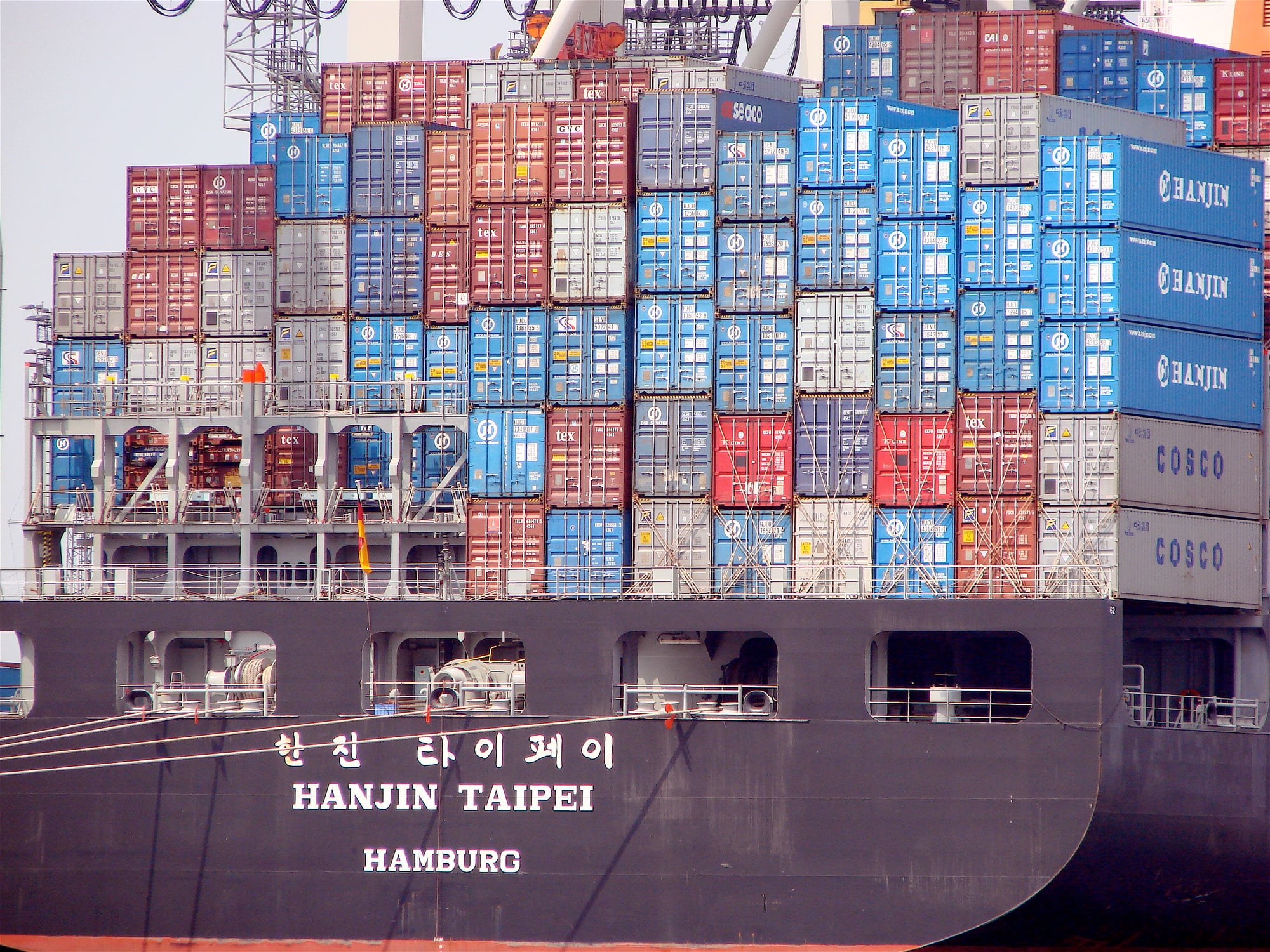
Credit: Photocapy · CC BY-SA 2.0
A ship is a large boat built to travel across oceans, seas, and big lakes. Ships carry people, cargo, or both. They are usually too big to be lifted out of the water, and they are powered by engines, sails, or sometimes both. Smaller boats stay close to shore. Ships are made for long trips across deep water.
People have been building ships for at least 6,000 years. The ancient Egyptians sailed wooden ships down the Nile River. The Phoenicians, Greeks, and Romans crossed the Mediterranean Sea in ships powered by sails and rows of oars. About a thousand years ago, Vikings used long, narrow wooden ships to reach Iceland, Greenland, and even North America. They got there about 500 years before Columbus.
Why does a ship float? It seems strange that a steel ship weighing thousands of tons does not sink. The answer is shape. A ship is hollow, so it pushes aside a huge amount of water. The water it pushes aside weighs more than the ship itself. That weight pushes the ship up. This idea was figured out by an ancient Greek thinker named Archimedes more than 2,200 years ago.
Ships come in many kinds. Cargo ships carry goods like cars, food, and oil. Container ships are stacked with giant metal boxes that can be lifted straight onto trucks or trains. Cruise ships are floating hotels that take people on vacation. Tankers carry liquids like oil or gas. Warships, including aircraft carriers, are used by navies. Tugboats, even though they are small, push and pull bigger ships in and out of harbors.
Modern ships are huge. The biggest container ships are over 1,300 feet long, longer than four football fields placed end to end. They can carry more than 24,000 shipping containers in a single trip. The largest oil tankers are even heavier, weighing as much as 600,000 tons fully loaded.
Ships have shaped human history more than almost any other invention. They carried explorers across unknown oceans, soldiers into wars, and millions of immigrants to new countries. They also carried enslaved people across the Atlantic in one of the cruelest chapters of history. Today, ships are mostly invisible to us, but they still do quiet, constant work. The shoes on your feet, the phone in your pocket, and the bananas in your kitchen all probably crossed an ocean on a ship before reaching you.
Related
Last updated 2026-04-25