
Symbiosis
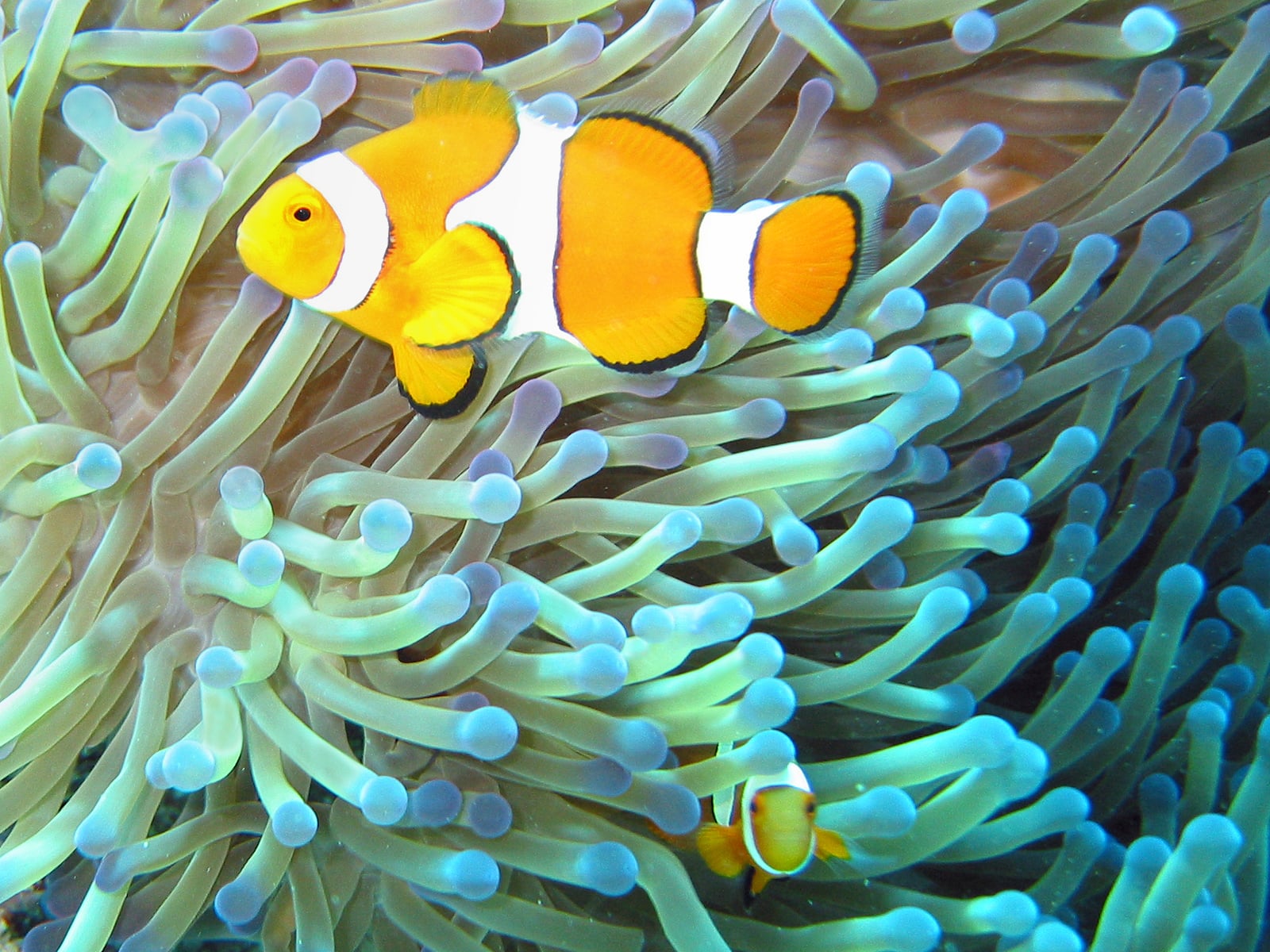
Credit: Janderk · Public domain
Symbiosis is a close, long-term relationship between two different kinds of living things. The word comes from Greek and means "living together." Scientists use it to describe partnerships in nature where two species affect each other in important ways. Some of these partnerships help both sides. Others help one side and hurt the other. A few help one side without affecting the other at all.
Scientists sort symbiosis into three main types. The first is called mutualism. In mutualism, both species benefit. A bee visits a flower to drink its sweet nectar. While the bee drinks, pollen sticks to its fuzzy body. The bee then carries that pollen to the next flower, helping the plant make seeds. The bee gets food. The flower gets help making the next generation of plants.
The second type is commensalism. One species benefits, and the other is neither helped nor hurt. Barnacles often attach themselves to the skin of whales. The barnacles get a free ride through food-rich waters. The whale barely notices them.
The third type is parasitism. One species benefits by harming the other. A tick drinks blood from a deer. A tapeworm lives inside an animal's gut and steals its food. The parasite gains. The host loses.
Symbiosis shows up almost everywhere in nature. Clownfish live safely among the stinging tentacles of sea anemones, which would hurt most other fish. In return, the clownfish chase away fish that would eat the anemone. Lichens, those crusty patches you see on rocks and tree bark, are actually two living things working together: a fungus and an algae. The algae makes food through photosynthesis. The fungus gives the algae a safe place to live. Neither one can survive alone in the harsh spots where lichens grow.
Some of the most important symbiosis happens inside your own body. Trillions of bacteria live in your gut. They help break down food your stomach cannot digest on its own. They also help make vitamins and crowd out germs that could make you sick. You give them a warm, food-filled home. They keep you healthy.
Symbiosis can even change the course of evolution. Scientists now believe that the tiny parts inside every plant and animal cell that make energy, called mitochondria, were once free-living bacteria. Billions of years ago, they moved into larger cells and stayed. Every time you take a breath, you are powered by a partnership that started before animals even existed.
Last updated 2026-04-23