
Vaccines
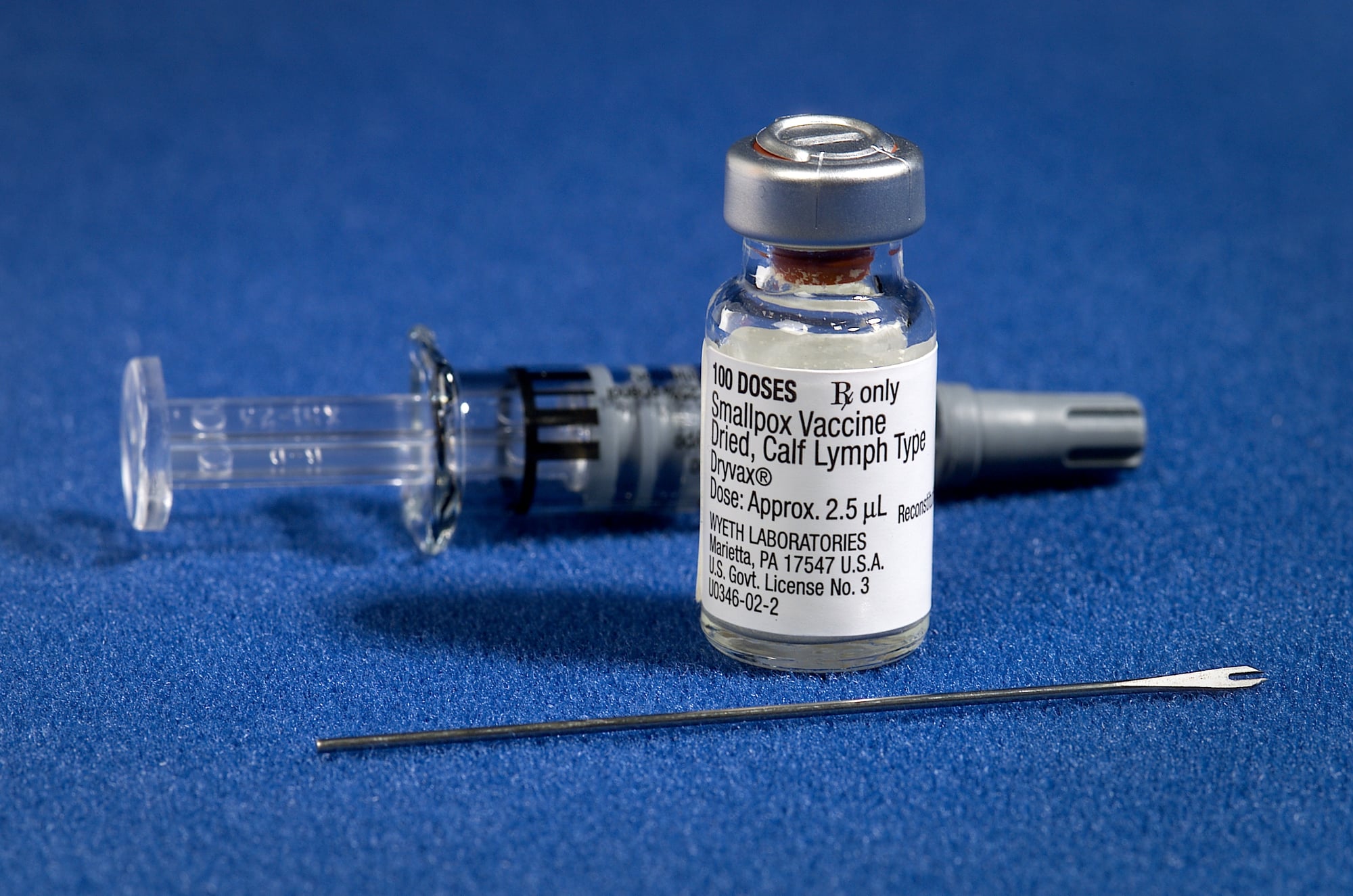
Credit: Photo Credit: James Gathany Content Providers(s): CDC · Public domain
A vaccine is a medicine that teaches your body how to fight a disease before you ever get sick. Most vaccines are given as a shot, but some come as a nasal spray or a drink. Vaccines protect against illnesses caused by viruses and bacteria, like measles, polio, the flu, and chickenpox.
Your immune system is the part of your body that fights germs. When a new germ enters your body, your immune system has to figure out what it is and how to beat it. That takes time, and you can get very sick while your body learns. A vaccine gives your immune system a head start. It shows your body a safe version of the germ so the body can practice fighting it without you actually getting sick.
The safe version inside a vaccine can be a few different things. Sometimes it is a dead germ. Sometimes it is a weakened germ that cannot make you sick. Newer vaccines, like some COVID-19 vaccines, use a tiny set of instructions called mRNA that teaches your cells to recognize part of the germ. Whatever the type, the goal is the same. Your immune system builds special fighter cells and proteins called antibodies. If the real germ ever shows up, your body recognizes it and stops it fast.
The first vaccine was made in 1796 by an English doctor named Edward Jenner. He noticed that milkmaids who caught a mild disease called cowpox almost never got smallpox, a deadly illness. He used cowpox to protect a young boy from smallpox, and it worked. The word "vaccine" comes from vacca, the Latin word for cow.
Vaccines have changed the world. Polio used to paralyze hundreds of thousands of children every year. Today it has nearly disappeared. Measles once killed more than two million people worldwide each year. A measles vaccine has cut that number by about 95 percent. Smallpox, which killed more people in history than every war combined, was wiped out completely by 1980.
When most people in a community are vaccinated, germs have a hard time spreading. This protects babies, older people, and anyone who is too sick to get the vaccine themselves. Doctors call this herd immunity. It is one of the reasons schools ask kids to get certain shots. Each vaccinated person helps protect the people around them.
Related
Last updated 2026-04-25