
Immune System
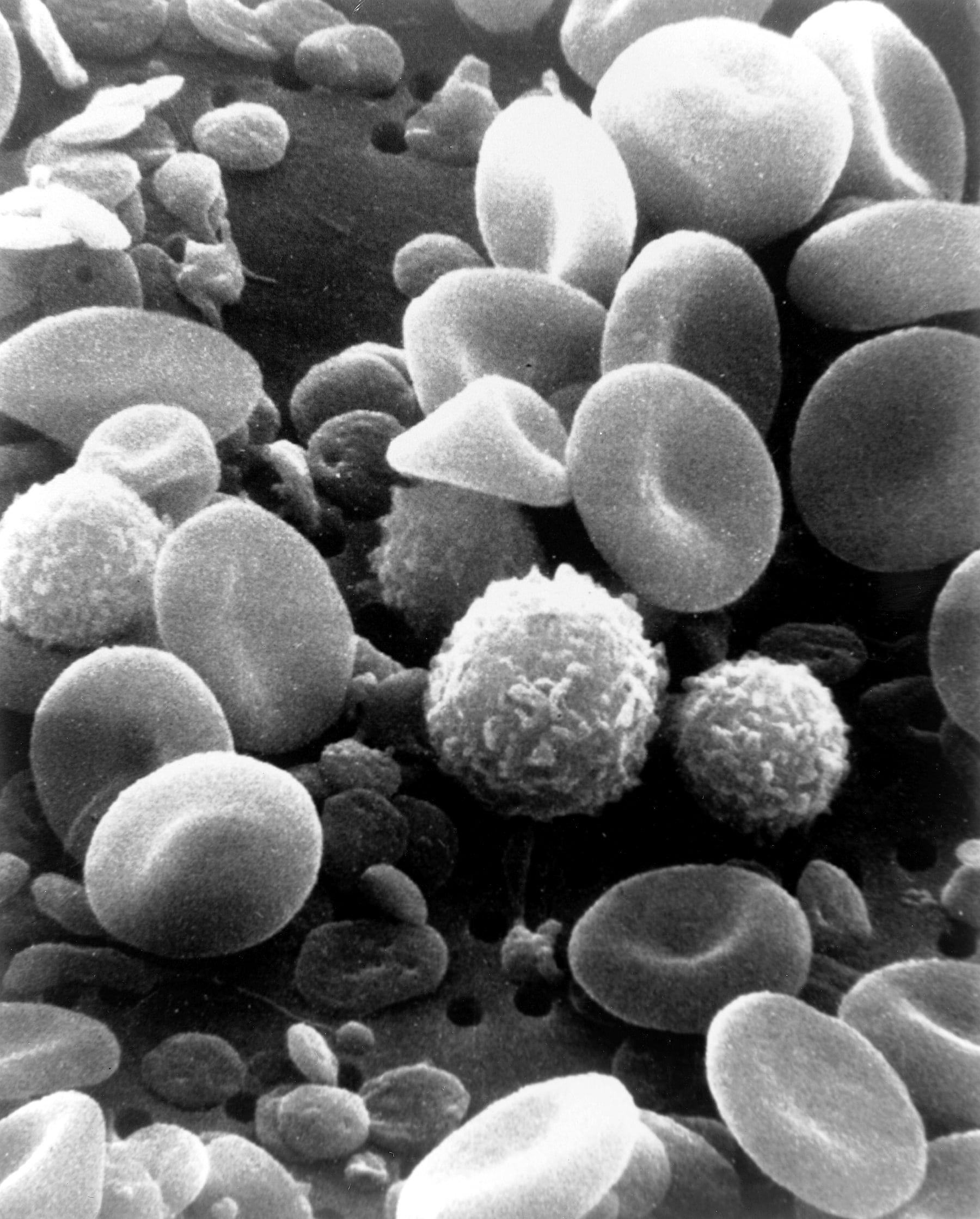
Credit: Bruce Wetzel (photographer). Harry Schaefer (photographer) · Public domain
The immune system is the body's defense team. It is a network of cells, tissues, and organs that work together to fight off germs. Germs include viruses, bacteria, fungi, and other tiny invaders that can make you sick. Without an immune system, even a small cut or a common cold could kill a person.
The main fighters in the immune system are white blood cells. You have billions of them flowing through your blood and your lymph, a clear fluid that travels through tubes called lymph vessels. White blood cells are made in your bone marrow, the soft tissue inside your bones. Different types of white blood cells do different jobs. Some swallow germs whole. Others make special proteins called antibodies that stick to germs and mark them for destruction.
The immune system has two main parts. The first part is called innate immunity. You are born with it, and it works fast. Your skin is the first wall, blocking most germs from getting in. Tears, saliva, and stomach acid kill many germs that slip past. If a germ gets deeper, white blood cells rush in within minutes. The redness and swelling around a scrape are signs of this fight.
The second part is called adaptive immunity. It is slower but smarter. When your body meets a new germ, special cells study it and learn its shape. Then the body builds antibodies made just for that germ. The next time the same germ shows up, your body remembers it and fights it off before you even feel sick. This memory is why you usually only get chickenpox once.
Vaccines use this memory trick on purpose. A vaccine shows your immune system a weakened or harmless piece of a germ. Your body learns to fight it without you ever getting the real disease. Vaccines have wiped out smallpox and made polio almost extinct.
Sometimes the immune system makes mistakes. In allergies, it attacks harmless things like pollen or peanuts as if they were dangerous. In autoimmune diseases, it attacks the body's own cells. Type 1 diabetes works this way, with the immune system destroying cells in the pancreas that make insulin. Scientists still do not fully understand why immune systems sometimes turn on the bodies they are supposed to protect. It is one of the biggest open questions in medicine.
Your immune system gets stronger as you grow. Babies are born with some protection passed down from their mothers, but they have to build the rest by meeting germs. Every cold you get teaches your body something new.
Related
Last updated 2026-04-25