
Heart
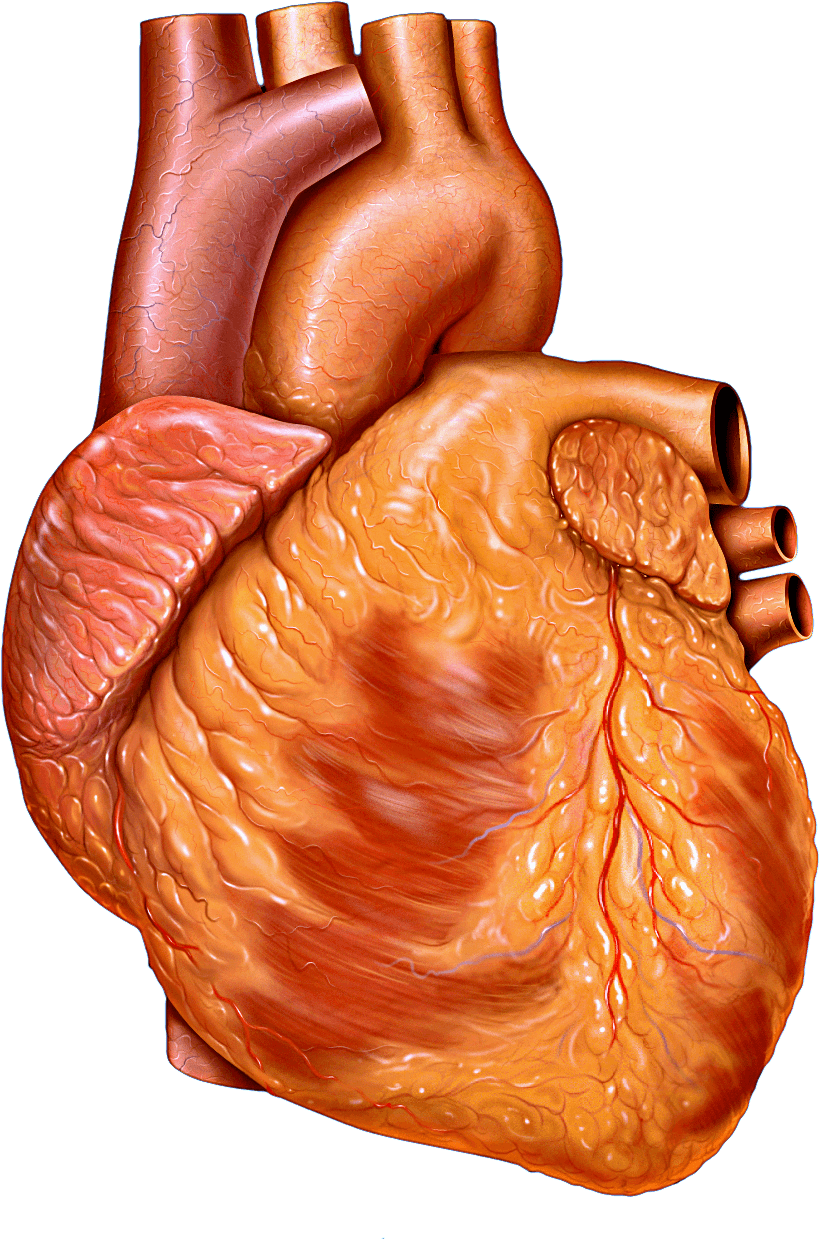
Credit: Jerm · CC BY 2.5
The heart is a muscle that pumps blood through the body. In a human, the heart is about the size of a closed fist. It sits in the middle of the chest, a little to the left. The heart starts beating before a baby is born, and it keeps beating for that person's whole life without them having to think about it.
Blood carries many things the body needs. It carries oxygen from the lungs, food from what you eat, and other important substances. It also carries away waste, like carbon dioxide. The heart's job is to keep the blood moving. If the heart stops, the cells in the body start to run out of what they need within minutes.
The heart has four rooms inside it. These rooms are called chambers. The two upper chambers are called atria. The two lower chambers are called ventricles. Blood flows through the chambers in the same pattern with every beat. First, used-up blood comes back from the body and enters the right atrium. It then moves down into the right ventricle, which pumps it to the lungs. In the lungs, the blood picks up oxygen and lets go of carbon dioxide. Then the blood comes back to the heart. It enters the left atrium, drops into the left ventricle, and gets pumped out to the rest of the body. Then the cycle starts again.
Small flaps called valves keep blood flowing in the right direction. When valves snap shut, they make the "lub-dub" sound that a doctor hears through a stethoscope.
How fast does a heart beat? A resting adult's heart beats between 60 and 100 times a minute. A kid's heart beats a little faster. When you run or play hard, your heart speeds up to send more oxygen to your muscles. Over an average lifetime, the human heart beats more than 2.5 billion times.
Here is something strange about the human heart. If it is damaged, it cannot fully heal. When heart muscle is hurt, the injury turns into scar tissue, and the scar stays. But this is not true for all animals. Zebrafish and some kinds of salamanders can grow back damaged heart tissue. Scientists are studying these animals closely. They hope to learn how these animals do it, and whether the same kind of healing could someday work in humans.
You can help your heart stay strong. Moving your body — running, biking, swimming, playing sports, even just walking — makes your heart muscle stronger. Eating lots of fruits and vegetables, drinking water, and getting enough sleep also help. Heart disease, a group of illnesses that affect the heart, is the leading cause of death in the United States.
Related
Last updated 2026-04-20