
Cold (Illness)
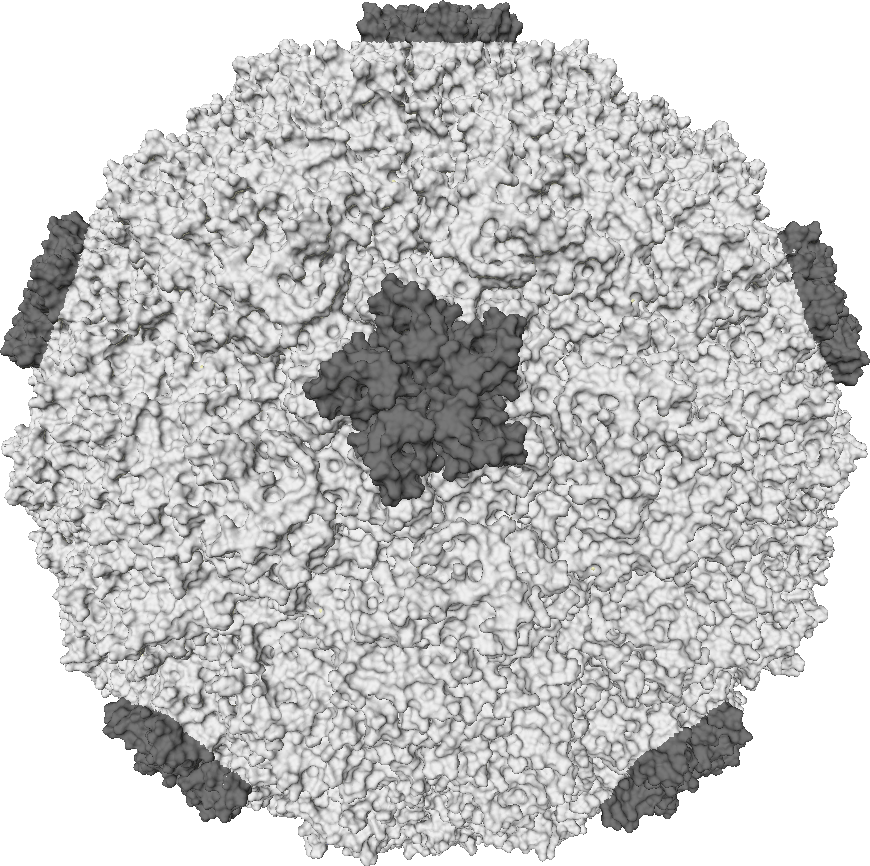
Credit: No machine-readable author provided. Robin S assumed (based on copyright claims). · CC BY-SA 3.0
A cold is a common illness that affects the nose, throat, and breathing passages. It is caused by tiny germs called viruses. More than 200 different viruses can cause a cold, but the most common ones are called rhinoviruses. The word "rhino" means nose, which is exactly where these viruses like to live.
When you catch a cold, the virus gets inside the cells lining your nose and throat. It uses those cells to make copies of itself. Your body notices the invader and sends out your immune system to fight back. Most of what feels bad about a cold is actually your body's response to the virus, not the virus itself.
The signs of a cold usually show up one to three days after the virus enters your body. Your nose may run or get stuffy. Your throat may feel sore. You may sneeze, cough, or feel tired. Some people get a low fever. Most colds last about a week, though a cough can stick around longer.
Colds spread from person to person in two main ways. Tiny droplets fly into the air when a sick person coughs, sneezes, or talks. The virus can also live on hands, doorknobs, phones, and toys for hours. If you touch one of those surfaces and then rub your eyes or nose, the virus has an easy way in. Washing your hands often is one of the best ways to avoid getting sick.
There is no cure for the common cold. Antibiotics do not work because antibiotics only kill bacteria, and a cold is caused by a virus. Medicines from the drugstore can make some symptoms feel better, but they do not make the cold end faster. Rest, water, warm soup, and time are still the best treatments. Your immune system does the real work.
Why do people get more colds in winter? Scientists used to think cold weather itself made you sick, but that turned out to be wrong. People catch colds in winter because they spend more time indoors and close together, which lets viruses jump easily from person to person. Some newer research also suggests that cold air inside the nose may slow down how well the body's first defenses work.
We may never have a single shot that prevents every cold. With more than 200 different viruses to fight, building one vaccine for all of them is one of the hardest puzzles in medicine.
Related
Last updated 2026-04-25