
Rocky Mountains
Credit: T.Voekler · CC BY-SA 3.0
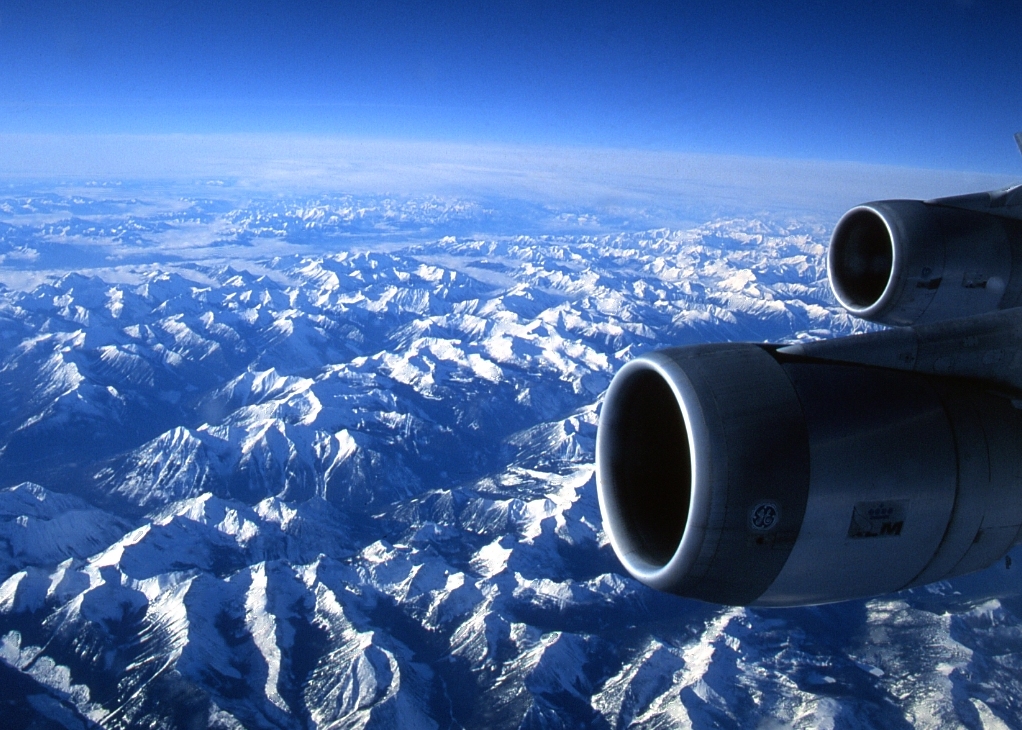
The Rocky Mountains are a huge chain of mountains in western North America. They stretch about 3,000 miles from northern British Columbia in Canada all the way down to New Mexico in the United States. That is longer than the distance from New York City to Los Angeles. People often just call them the Rockies.
The range is wide as well as long. In some places, the Rockies spread out more than 300 miles from east to west. They pass through parts of two Canadian provinces and six U.S. states: Montana, Idaho, Wyoming, Colorado, Utah, and New Mexico. The tallest peak in the whole chain is Mount Elbert in Colorado. It rises 14,440 feet above sea level, which is almost three miles straight up.
The Rockies are old, but not as old as some mountains. They began forming about 70 million years ago, back when dinosaurs still walked the Earth. Two huge pieces of the Earth's crust pushed against each other, and the land crumpled upward. Since then, wind, water, and glaciers have carved the rock into sharp peaks and deep valleys. Some parts of the range still have small glaciers today.
The Rockies contain something called the Continental Divide. This is the high ridge that splits the flow of rivers across North America. Water west of the divide flows toward the Pacific Ocean. Water east of the divide flows toward the Atlantic Ocean or the Gulf of Mexico. Three major rivers begin in the Rockies: the Colorado, the Rio Grande, and the Missouri.
Many animals live in the Rockies. Grizzly bears, black bears, moose, elk, bighorn sheep, mountain goats, and mountain lions all make their homes here. Higher up, trees cannot grow because it is too cold and windy. This line is called the tree line. Above it, only tough grasses, wildflowers, and rocks remain.
People have lived in the Rockies for at least 10,000 years. Native American tribes, including the Ute, Shoshone, Blackfoot, and Arapaho, hunted and traveled through the mountains long before European settlers arrived. In the 1800s, fur trappers, miners, and railroad workers pushed into the range. Today, millions of visitors come each year to hike, ski, climb, and camp. Famous protected areas include Rocky Mountain National Park, Yellowstone, Grand Teton, Glacier, and Banff.
The Rockies are still changing. Tiny earthquakes shake the range, rocks tumble from cliffs, and glaciers slowly melt. Mountains this big look permanent, but given enough time, even they move.
Related
Last updated 2026-04-23