
Forest
Credit: Allie_Caulfield from Germany · CC BY 2.0
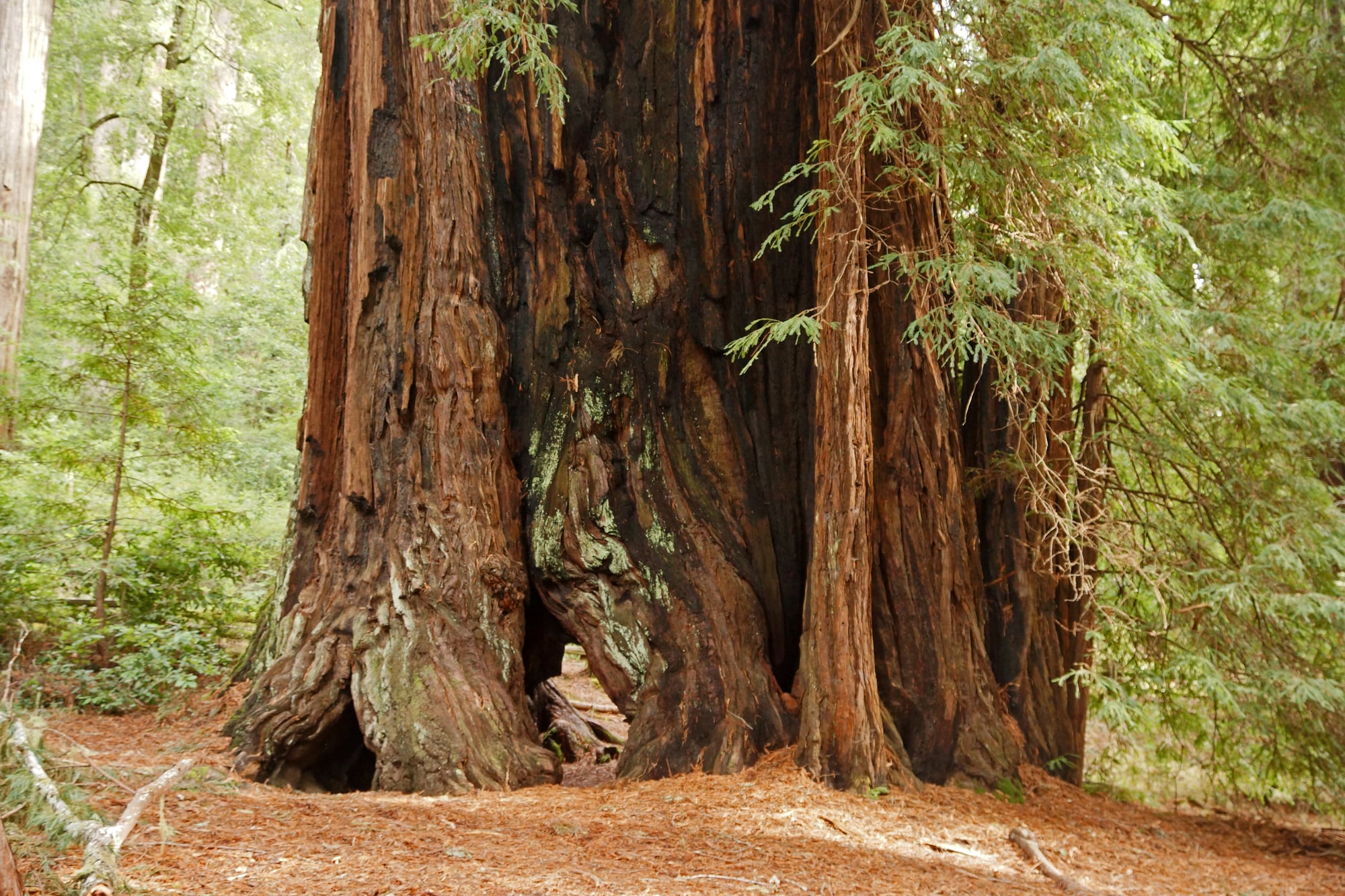
A forest is a large area of land covered mostly by trees. Forests grow on every continent except Antarctica. They cover about a third of all the land on Earth. A forest is also a home, called a habitat, for huge numbers of plants, animals, fungi, and tiny living things in the soil.
Scientists sort forests into three main types based on climate. Tropical forests grow near the equator, where it is hot and rainy all year. Temperate forests grow in places with four seasons, like much of the United States, Europe, and East Asia. Boreal forests, also called taiga, grow in cold northern lands like Canada, Alaska, Russia, and Sweden. Boreal forests form the largest land biome on Earth, stretching in a wide green ring around the top of the planet.
Forests have layers, like floors of a building. The top layer is the canopy, where the tallest trees spread their branches. Some canopy trees rise even higher and form an emergent layer. Below the canopy is the understory, full of shorter trees and young ones reaching up. The forest floor is the ground itself, often shady and covered with fallen leaves, moss, and tiny mushrooms. Each layer is home to different animals.
Trees do more than just sit there. Through photosynthesis, they pull carbon dioxide out of the air and release oxygen. The Amazon rainforest alone produces a huge share of the oxygen on Earth. Forests also pull water up from the soil and release it from their leaves, which helps make rain and clouds. Roots hold soil in place, keeping it from washing away in storms.
Below ground, forests are even stranger than they look. Tree roots are connected by thin threads of fungus called mycorrhizae. Trees use these networks to share sugar with younger trees and even send chemical warnings when bugs attack. Some scientists call this the "wood wide web." Other scientists argue that the network is less organized than that, and they say more research is needed.
People depend on forests for wood, paper, food, and medicine. About 1.6 billion people around the world rely on forests directly to live. But every year, large areas of forest are cut down, often to make room for farms or cattle. This is called deforestation. Many countries are now planting new forests and protecting old ones, hoping to keep these giant living systems alive for the future.
Related
Last updated 2026-04-25