
Arab Spring
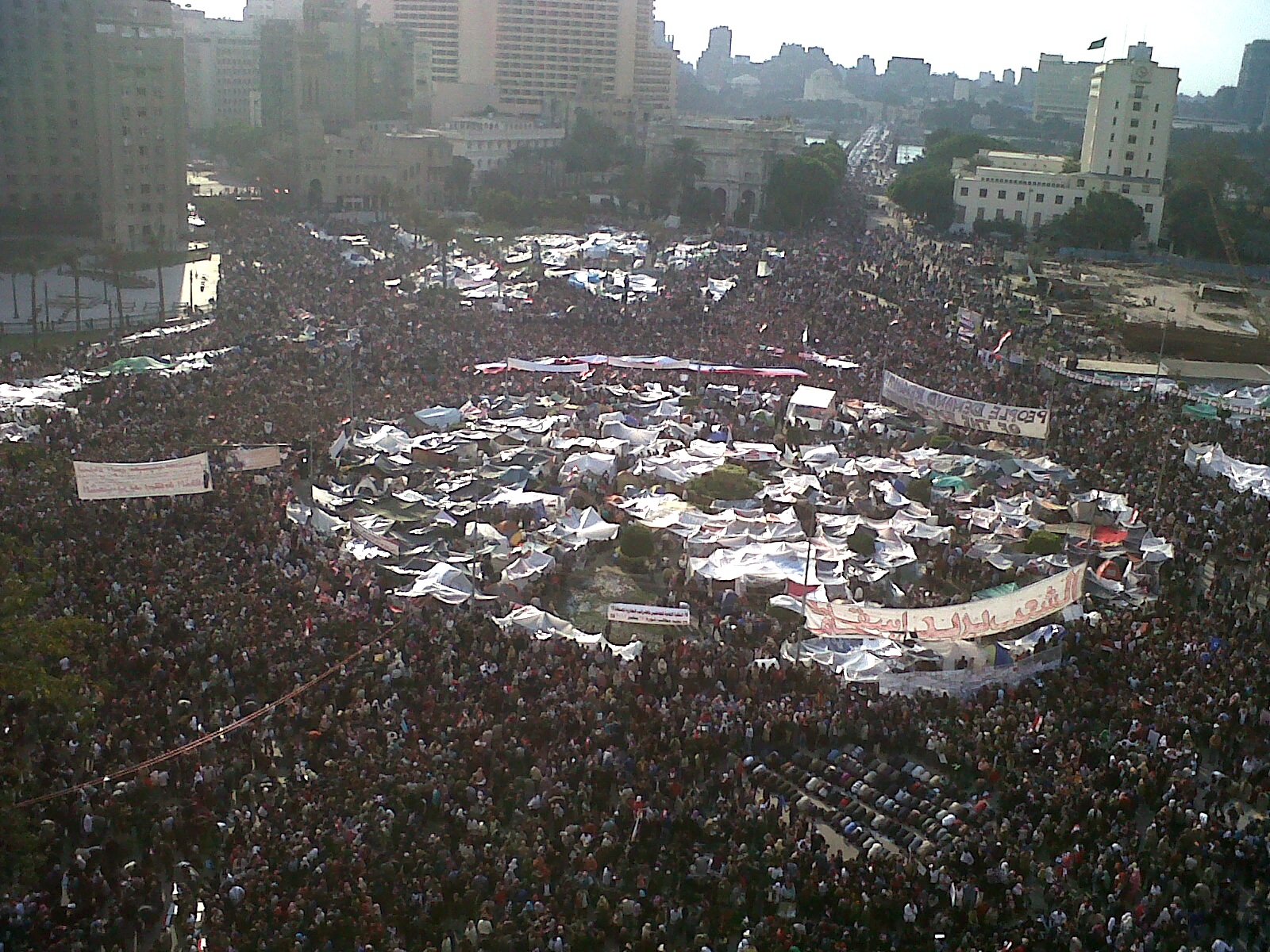
Credit: Mona · CC BY 2.0
The Arab Spring was a wave of protests and uprisings that swept across Arab countries in the Middle East and North Africa, beginning in late 2010. People in many countries took to the streets to demand new governments, more freedom, better jobs, and an end to corruption. The protests changed several countries forever. Some led to new governments. Others led to long, painful wars.
The Arab Spring started in a small town in Tunisia. On December 17, 2010, a young fruit seller named Mohamed Bouazizi set himself on fire to protest how the police treated him. His act shocked the country. Tunisians who were already angry about poverty and their harsh leader poured into the streets. Within a month, Tunisia's president had fled the country. He had ruled for 23 years.
The protests spread quickly to other countries. Many young people used Facebook and Twitter to share videos, plan marches, and tell the world what was happening. This was one of the first times in history that social media helped power a wave of revolutions.
In Egypt, huge crowds filled Tahrir Square in the capital, Cairo. After 18 days of protests, President Hosni Mubarak stepped down in February 2011. He had ruled Egypt for nearly 30 years. In Libya, protests turned into a civil war that ended with the death of leader Muammar Gaddafi later that year. In Yemen, the president gave up power after months of protests.
Other countries had different stories. In Bahrain, the government quickly stopped the protests with help from neighboring countries. In Syria, peaceful protests against President Bashar al-Assad turned into a long and terrible civil war. The Syrian war killed hundreds of thousands of people and forced millions to flee their homes. Many of them became refugees in Europe and other parts of the Middle East.
Did the Arab Spring work? Historians still debate this. Tunisia, where it all began, became more democratic, though its new government has had many struggles. But in Egypt, the army took back control a few years later. Libya and Yemen remained broken by fighting. Syria suffered the most. Some experts call the Arab Spring a failure. Others say it planted seeds that may grow over many years, since real change often takes decades.
What is clear is that millions of people, many of them young, stood up to powerful rulers at the same time. They proved that ordinary citizens could shake governments that had once seemed impossible to move.
Related
Last updated 2026-04-26