
Pilgrims
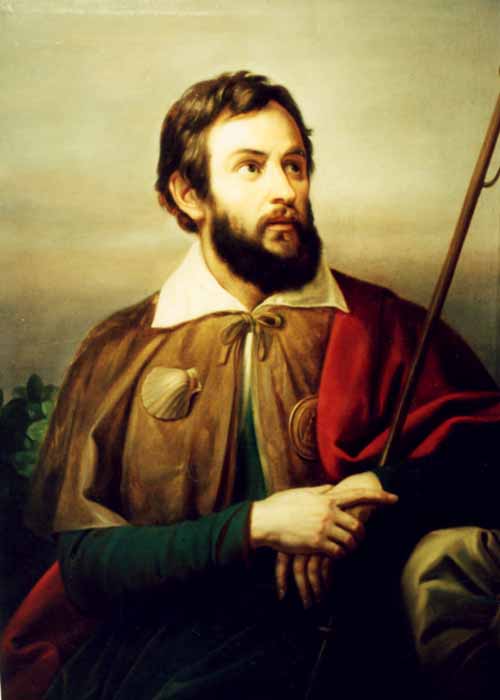
Credit: Gheorghe Tattarescu · Public domain
The Pilgrims were a group of English settlers who sailed to North America in 1620. They founded a colony called Plymouth in what is now Massachusetts. About half of them were Separatists, a religious group that wanted to break away from the Church of England. The rest were other English settlers looking for a new life. They are remembered today for their voyage on the Mayflower and for sharing a harvest meal with the Wampanoag people.
The Separatists left England because the king did not let people worship in their own way. First they moved to Holland, where they could pray as they wished. But they worried their children were forgetting English ways. After about 12 years, they decided to try America. A group of investors paid for the trip. In return, the settlers had to send back furs, fish, and timber.
The Mayflower set sail in September 1620 with 102 passengers. The trip took 66 days. The ship was small, only about 100 feet long, and storms tossed it across the Atlantic. One main beam cracked during the voyage and had to be propped up with a giant screw. A baby was born at sea, and the parents named him Oceanus.
The Pilgrims meant to land in Virginia. Strong winds pushed them north instead, to the tip of Cape Cod. Before going ashore, the men signed an agreement called the Mayflower Compact. It said they would make fair laws and follow them together. Many historians see this as one of the first steps toward self-government in America.
The first winter was brutal. The Pilgrims arrived too late to plant crops, and they slept on the cold ship. About half of them died of sickness and hunger before spring. In March, a Native man named Samoset walked into their camp and greeted them in English. He had learned the language from English fishermen. Soon Squanto, a Patuxet man, joined them. He showed the settlers how to plant corn, catch eels, and find safe water.
In the fall of 1621, the Pilgrims held a three-day harvest feast. About 90 Wampanoag men, led by their leader Massasoit, joined them. This gathering is remembered today as the first Thanksgiving. The story is often told as a happy beginning, but the friendship did not last. Within a few decades, war broke out between the colonists and the Wampanoag. Many Native people died or lost their land as more English settlers arrived.
Related
Last updated 2026-04-26