
Camera
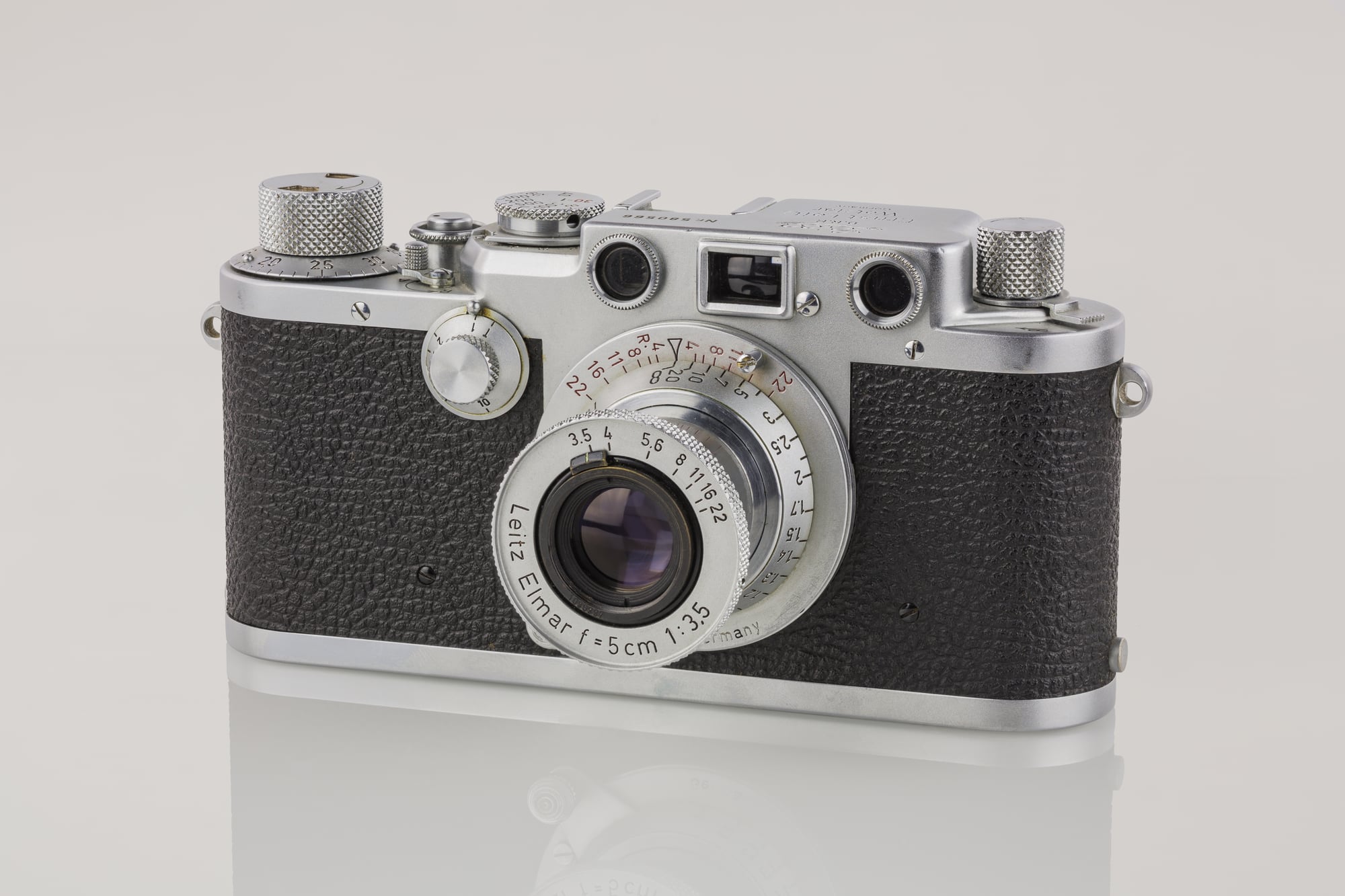
Credit: Kameraprojekt Graz 2015 · CC BY-SA 4.0
A camera is a device that captures images by recording light. It works a lot like an eye. Light bounces off the world, passes through a small opening, and lands on a surface inside that records what it sees. The first cameras used film coated with chemicals. Modern cameras use digital sensors. Either way, the basic idea is the same: trap a moment of light and save it.
The word camera comes from a Latin phrase, camera obscura, which means "dark room." Hundreds of years ago, artists used real darkened rooms with a tiny hole in one wall. Light coming through the hole projected an upside-down picture of the outside world onto the opposite wall. Artists traced the image to help them draw. The camera you hold in your hand today is just a tiny version of that dark room.
Every camera has the same main parts. A lens bends light and focuses it. A shutter opens for a short moment to let light in. A sensor or piece of film catches the image. The longer the shutter stays open, the more light gets in. That is why old photos needed people to sit still for many minutes. Today, a shutter can open and close in less than one-thousandth of a second.
The first photograph still around today was taken by a French inventor named Nicéphore Niépce in 1826 or 1827. It shows the rooftops outside his window. For more than 150 years after that, almost all photos were made on film. Then, in 1975, an engineer at Kodak named Steven Sasson built the first digital camera. It was the size of a toaster and took 23 seconds to save a single fuzzy black-and-white picture.
Now most people carry a camera everywhere. There are more than 6 billion smartphones in the world, and almost all of them have cameras built in. People take an estimated 1.8 trillion photos every year. That is more pictures taken in a single day now than were taken in the entire 1800s.
Cameras have changed how people remember things. Before photography, only the rich could pay an artist to paint their portrait. Now anyone can save a picture of a birthday, a pet, or a face they love. Cameras also record events that nobody would otherwise believe, from the surface of Mars to the bottom of the ocean. A camera is, in the end, a tool for making memory hold still.
Related
Last updated 2026-04-25