
Habitat
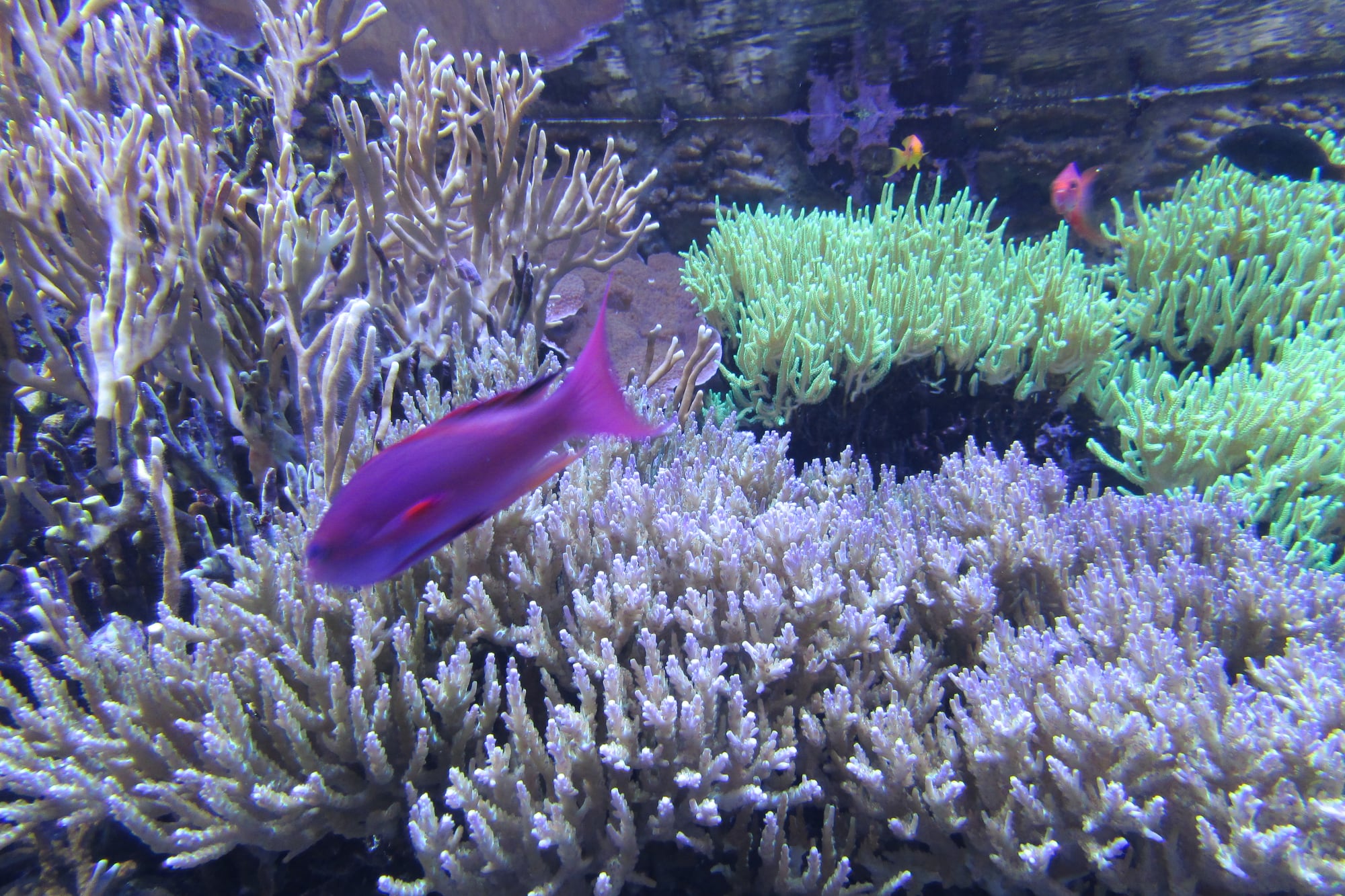
Credit: Chris Light · CC BY-SA 4.0
A habitat is the place where an animal, plant, or other living thing makes its home. A habitat gives a living thing everything it needs to survive: food, water, shelter, and space. Every kind of living thing on Earth has a habitat, from polar bears on the Arctic ice to tiny bacteria living in hot springs.
Habitats come in many shapes and sizes. A forest is a habitat. So is a desert, a coral reef, a river, and a meadow. Even a rotting log can be a habitat. Inside that log, beetles, ants, fungi, and worms all find what they need to live. One rotting log might be home to hundreds of different creatures at once.
Each kind of living thing is built for a certain habitat. A fish has gills to breathe underwater. A cactus has a thick stem that stores water in the dry desert. A polar bear has thick fur and a layer of fat to keep warm in freezing weather. These special features are called adaptations. Adaptations develop over many, many generations. They help a species fit its habitat the way a key fits a lock.
If the habitat changes, the living things there are in trouble. A penguin cannot survive in a desert. A cactus cannot grow in a rainforest. Move a living thing out of its habitat and it usually cannot find the right food, temperature, or shelter.
Inside a larger habitat, many smaller habitats can exist side by side. Scientists call these microhabitats. In one oak tree, squirrels live in the branches, owls nest in hollow holes, beetles tunnel under the bark, and moss grows on the shaded side of the trunk. Each creature uses a different part of the same tree.
Habitats around the world are changing fast. People cut down forests for farms and cities. Rivers get polluted. The ocean is warming as the climate changes. When a habitat is damaged or destroyed, the animals and plants that depend on it can disappear. Habitat loss is the biggest reason species become endangered today. More than one million species are at risk of extinction, mostly because their habitats are shrinking.
The good news is that habitats can be protected and even healed. National parks, wildlife refuges, and ocean preserves set aside land and water where plants and animals can live safely. When a habitat recovers, the creatures that belong there often come back on their own.
Related
Last updated 2026-04-23