
Chemical Reaction
Credit: Daria55 · CC BY 4.0
A chemical reaction is a change that happens when two or more substances mix and turn into something new. The atoms in the starting materials break apart from each other and join up in different ways. The result is a new substance with different properties. Rust, baking bread, lighting a match, and digesting food are all chemical reactions.
The substances that go into a reaction are called reactants. The substances that come out are called products. Atoms are never created or destroyed during a reaction. They just rearrange. This rule is called the law of conservation of mass. If you could weigh every atom before and after a reaction, the total weight would be exactly the same.
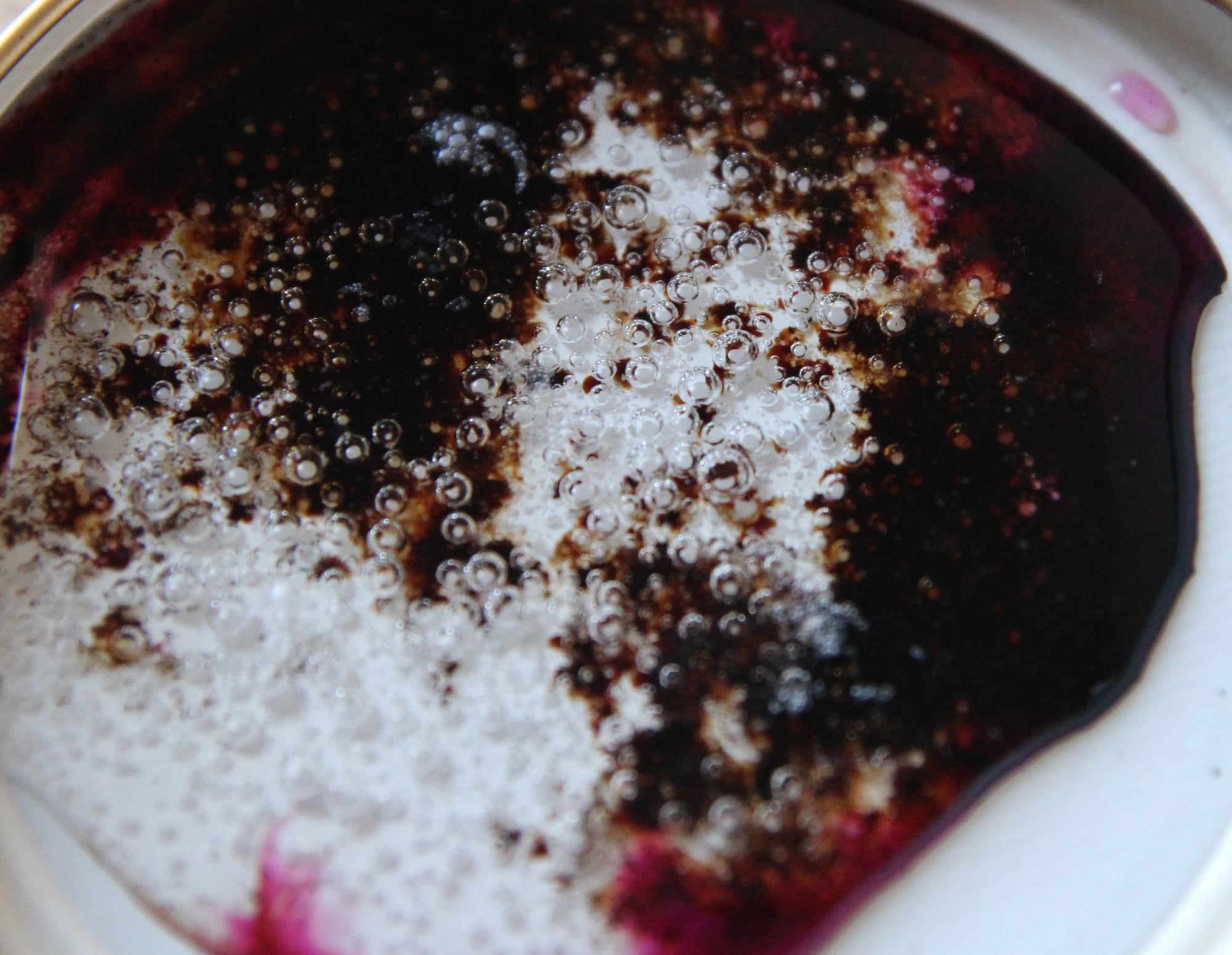
You can often spot a chemical reaction by its signs. The mixture might change color, give off heat, bubble, glow, or release a smell. Sometimes a solid forms out of two liquids. Sometimes a gas puffs up out of nowhere. These clues tell you that new substances are being made. A change without new substances, like ice melting into water, is not a chemical reaction. It is just a change of state.
Reactions need energy to get started. A match will not light until you strike it. Wood will not burn until something gets it hot enough. Once a reaction begins, it often releases its own energy as heat, light, or sound. A firework is a reaction that releases all three at once.
Some reactions take in energy instead of giving it off. Photosynthesis is one of these. A plant uses sunlight to push water and carbon dioxide together into sugar. Your body does the opposite when you eat that sugar. It slowly breaks the sugar back down and uses the energy to move your muscles and keep you warm.
Not all reactions happen at the same speed. Iron rusting in the air is a reaction that can take years. Gasoline burning in a car engine takes less than a second. Temperature, surface area, and special helper substances called catalysts can speed things up. The catalysts inside your body, called enzymes, help digest a meal in hours instead of weeks.
Chemical reactions built the world you live in. They cook your food, power your car, charge your phone, and keep your heart beating. Every breath you take sets off millions of reactions inside your cells, turning oxygen and sugar into the energy that keeps you alive.
Related
Last updated 2026-04-23