
Ganges River
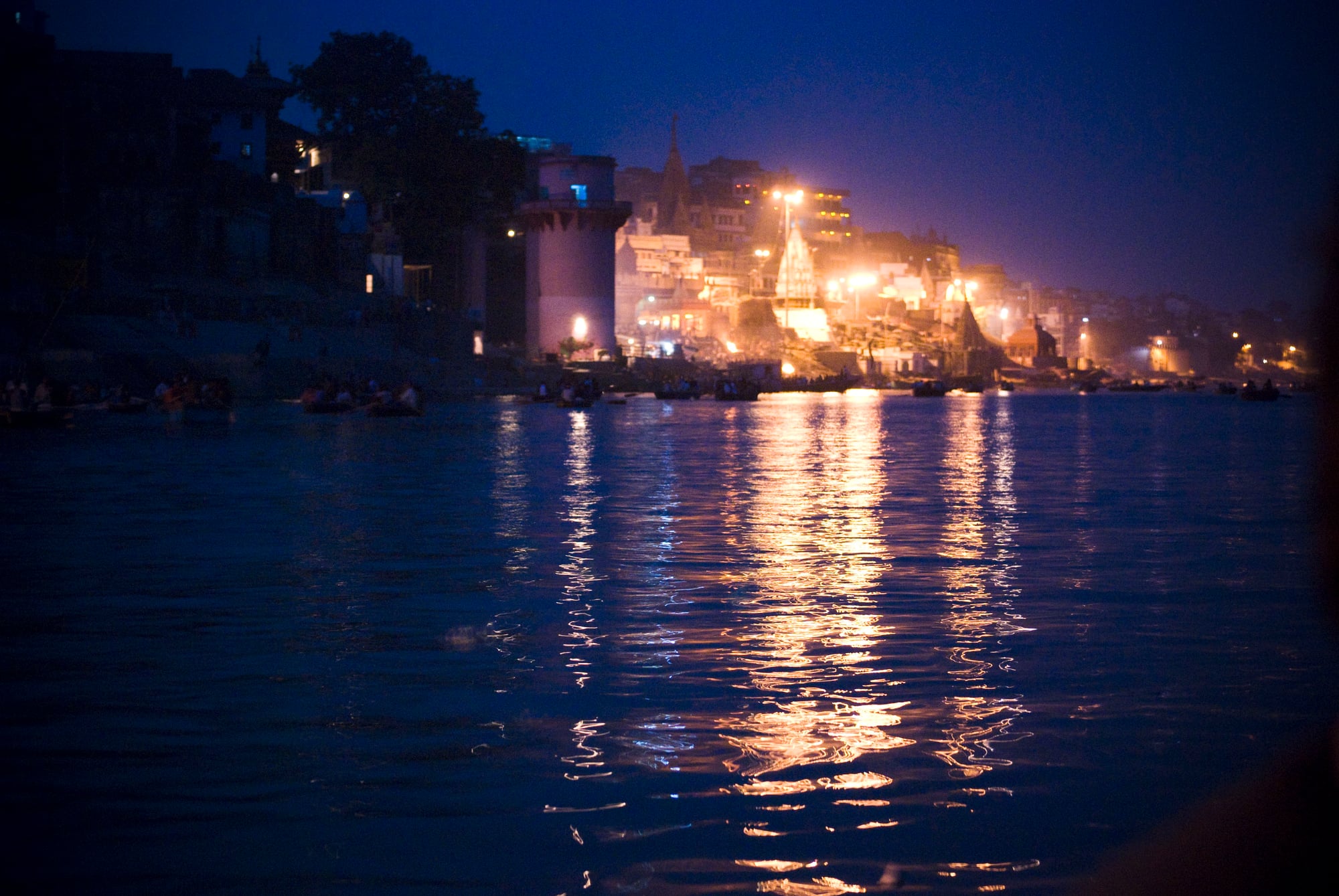
Credit: Dan Ruth · CC BY 2.0
The Ganges River is a long river that flows across northern India and Bangladesh. It starts high in the Himalaya mountains and ends in the Bay of Bengal. The river is about 1,560 miles long, roughly the distance from New York City to Denver. In Hindi, the river is called Ganga. Many Indians speak of the river as a mother.
The Ganges begins as meltwater from a glacier called Gangotri. The glacier sits more than 12,000 feet above sea level. Icy water trickles out of a cave in the ice and rushes down through steep mountain valleys. As the river leaves the mountains, it slows and spreads across a huge flat region called the Ganges Plain. This plain has some of the richest farmland in the world. Rice, wheat, and sugarcane all grow here.
More than 400 million people live in the Ganges basin. That is more people than live in the whole United States. Big cities like Varanasi, Patna, and Kolkata sit on its banks. Farmers use the river to water their crops. Fishers pull out fish. Boats carry goods up and down the water.
The river is also holy to Hindus. In Hindu belief, the goddess Ganga came down from heaven to wash away the sins of people on Earth. Many Hindus travel to the city of Varanasi to bathe in the river. Some families bring the ashes of loved ones who have died and release them into the water. They believe this helps the soul find peace. Varanasi is one of the oldest cities in the world where people have lived without a break, for more than 3,000 years.
The Ganges is home to some surprising animals. The Ganges river dolphin is nearly blind and uses sound to find fish, much like a bat. Gharials, which are long, thin-snouted crocodiles, also live in the river. Both animals are endangered.
The river faces a serious problem: pollution. Factories dump waste into the water. Cities pour in sewage. Plastic floats on the surface. India has spent billions of dollars on cleanup programs, but progress has been slow. Scientists and leaders still argue about the best way to clean the river without hurting the people who depend on it.
At the end of its journey, the Ganges splits into many smaller channels and meets another giant river, the Brahmaputra. Together they form one of the largest deltas on Earth. The delta empties into the Bay of Bengal, where the fresh river water finally mixes with the salty sea.
Related
Last updated 2026-04-23