
Folk Art
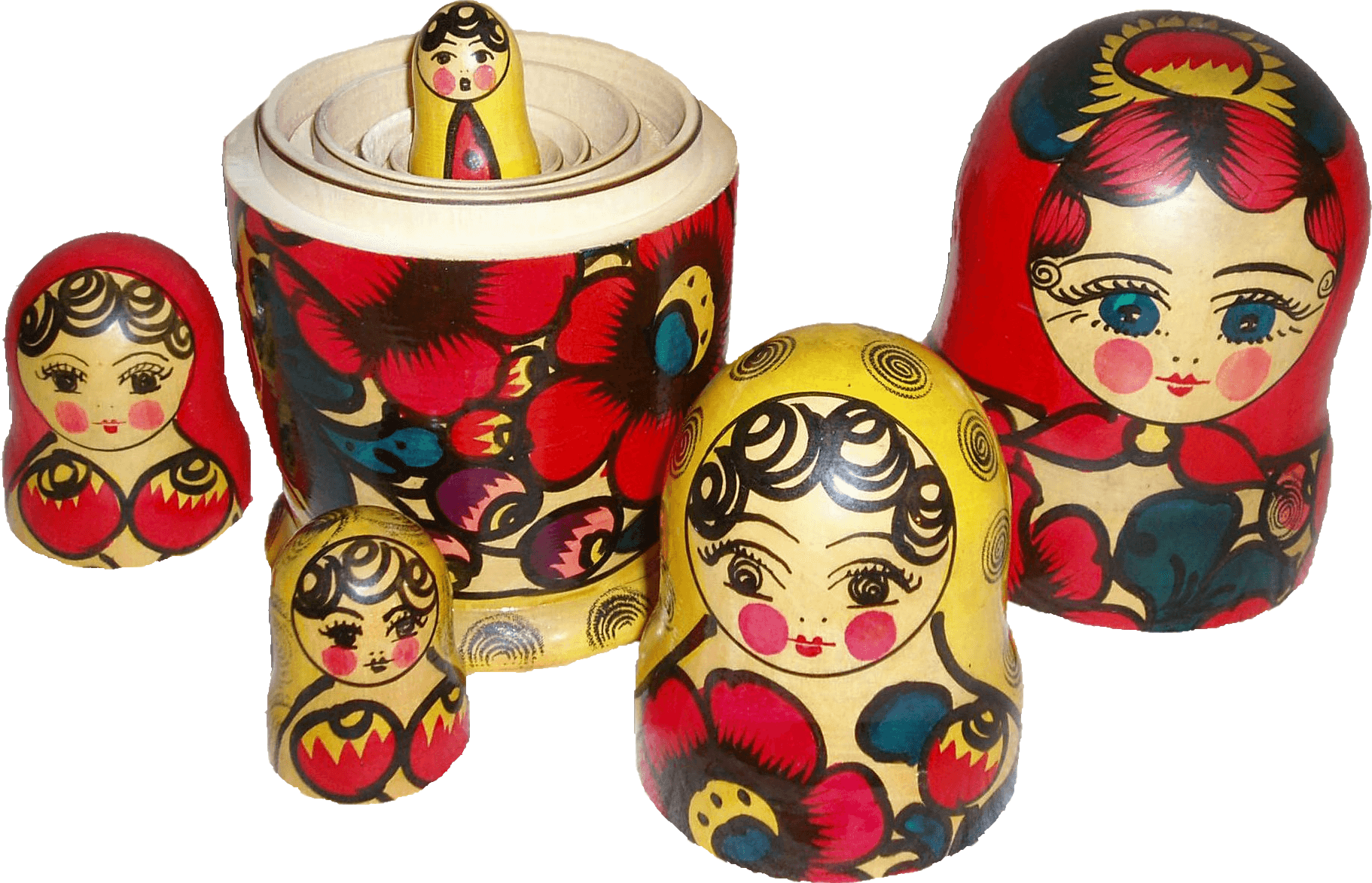
Credit: Russian-Matroshka_no_bg.jpg: User:Fanghong derivative work: Greyhood (talk) · CC BY-SA 3.0
Folk art is art made by everyday people rather than by trained artists. It usually comes out of a community's traditions and gets passed down from one generation to the next. Folk art includes paintings, carvings, quilts, pottery, toys, dolls, masks, weavings, and decorated furniture. Almost every culture in the world has its own folk art.
The word "folk" means regular people. So folk art is the art of regular people. A trained painter studies for years in art school. A folk artist learns by watching a parent, a grandparent, or a neighbor. The skills move through families and small towns the same way recipes and stories do.
Folk art is often useful as well as beautiful. A quilt keeps a person warm. A painted bowl holds soup. A carved wooden spoon stirs the pot. The maker decorates these objects because beauty matters, even in things people use every day. A plain blanket and a hand-stitched quilt do the same job, but only one tells a story.
Different parts of the world are famous for different folk art. Russia has nesting dolls called matryoshkas, where each wooden doll opens to reveal a smaller one inside. Mexico has bright papier-mâché animals called alebrijes. Japan has paper-folding called origami. West Africa has carved wooden masks used in dances and ceremonies. Native American communities make beadwork, baskets, and pottery, with each nation having its own designs. American folk art includes patchwork quilts, weather vanes, painted store signs, and carved duck decoys used by hunters.
Folk art often shows what a community cares about. Religious folk art shows saints, angels, or holy stories. Farming communities carve animals and tools. Fishing villages paint boats and fish. The art is a kind of history book. By looking at the folk art of a place, you can learn what the people there did, believed, and loved.
For a long time, museums did not take folk art seriously. They only collected work by famous trained artists. That changed in the twentieth century. Collectors started saving old quilts, weather vanes, and carvings before they were thrown out. Today the Smithsonian and many other museums have whole rooms full of folk art. Some folk artists, like Grandma Moses in the United States and Maud Lewis in Canada, became famous in their own lifetimes.
Folk art reminds us that you do not need a fancy studio or a degree to make something beautiful. You just need patience, skill, and something to say.
Last updated 2026-04-26