
Airplane
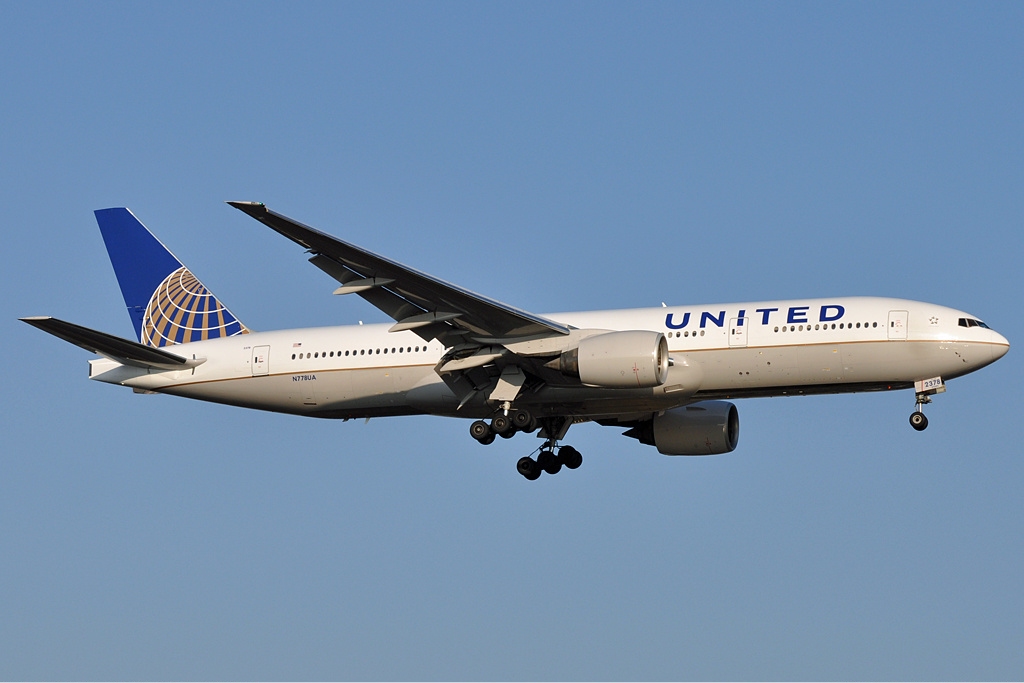
Credit: Jules Meulemans · GFDL
An airplane is a flying machine with fixed wings and an engine. It carries people and cargo through the air, often at high speeds and over long distances. Airplanes are the fastest way to travel between distant places. A trip across the United States that takes four days by car takes about five hours by plane.
Airplanes fly because of the shape of their wings. The top of a wing is curved, and the bottom is mostly flat. As the plane moves forward, air rushes over the curved top faster than it flows under the bottom. This difference in airflow creates a push upward called lift. When lift is greater than the plane's weight, the plane rises. The engines provide the forward push, called thrust. Together, lift and thrust beat the two forces pulling the plane back down: gravity and drag.
Two American brothers, Orville and Wilbur Wright, built the first successful airplane. On December 17, 1903, near Kitty Hawk, North Carolina, they flew it for 12 seconds and traveled 120 feet. That is shorter than the wingspan of a modern jumbo jet. From that small start, planes grew quickly. By 1927, Charles Lindbergh flew alone across the Atlantic Ocean. By the 1950s, jet engines made flying faster and smoother than ever.
A modern airliner is huge. A Boeing 747 is over 230 feet long and weighs nearly 400 tons when fully loaded with fuel and passengers. It can fly at 35,000 feet, which is higher than Mount Everest. At that height, the air is too thin to breathe and far below freezing. Sealed cabins keep passengers warm and supplied with air. Most jets cruise at about 575 miles per hour. The fastest jet ever built, the SR-71 Blackbird, could fly more than three times the speed of sound.
Pilots steer with help from a control tower and computers. Flaps on the wings tilt up or down to climb, dive, or turn. The tail also has small flaps that keep the plane steady. Modern airplanes can almost fly themselves, but a pilot is always in charge.
Airplanes also have a downside. Jet fuel produces a lot of carbon dioxide, the gas that contributes to climate change. Engineers are now testing electric planes and cleaner fuels. The hope is that the next century of flight will be quieter and gentler on the planet than the first.
Last updated 2026-04-25