
Stem
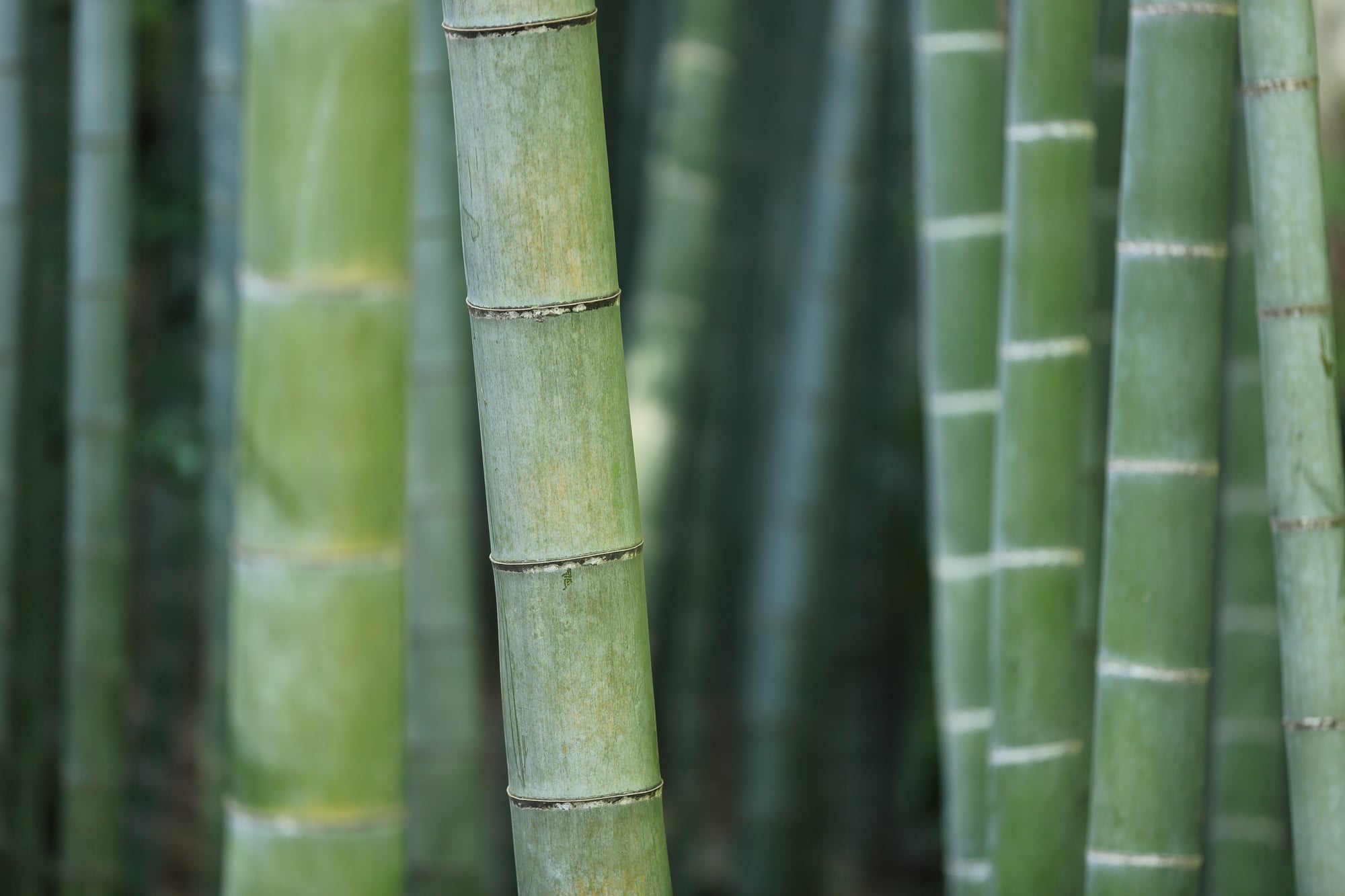
Credit: kazuend kazuend · CC0
A stem is the part of a plant that holds it up and connects its other parts. It links the roots in the ground to the leaves and flowers above. Almost every plant has a stem, though stems come in many shapes and sizes. A blade of grass has a thin green stem only a few inches tall. A giant redwood has a woody stem, called a trunk, that can grow more than 350 feet high. That is taller than the Statue of Liberty.
Stems do three main jobs. First, they support the plant. A strong stem keeps the leaves up in the sunlight, where they can make food. Second, stems carry water and nutrients. Tiny tubes inside the stem move water up from the roots to the leaves. Other tubes carry sugar made in the leaves down to the rest of the plant. Third, some stems store food or water for the plant to use later.
There are two main kinds of stems. Soft, green stems are called herbaceous stems. You see these on flowers like daisies and on vegetables like tomato plants. Woody stems are hard and covered in bark. Trees and bushes have woody stems. A woody stem grows a new ring of wood each year. By counting the rings on a cut tree trunk, you can tell how old the tree was. A redwood with 2,000 rings has been alive since before the fall of the Roman Empire.
Stems do not always grow straight up. A potato is actually a stem that grows underground and stores food. A strawberry plant sends out long stems called runners that crawl across the ground and start new plants. A cactus has a thick, juicy stem that stores water for months in the desert. Vines have soft stems that climb up walls or other plants to reach the sun. Some vines, like wisteria, can grow more than 30 feet in a single year.
Stems can also help plants survive damage. If a deer bites the top off a young plant, new shoots often grow from buds along the stem. Many gardeners use this to their advantage. They cut a piece of stem from one plant, stick it in soil, and grow a whole new plant from it. This trick is called taking a cutting, and people have used it for thousands of years to grow grapes, roses, and many other crops.
Last updated 2026-04-25