
Grass
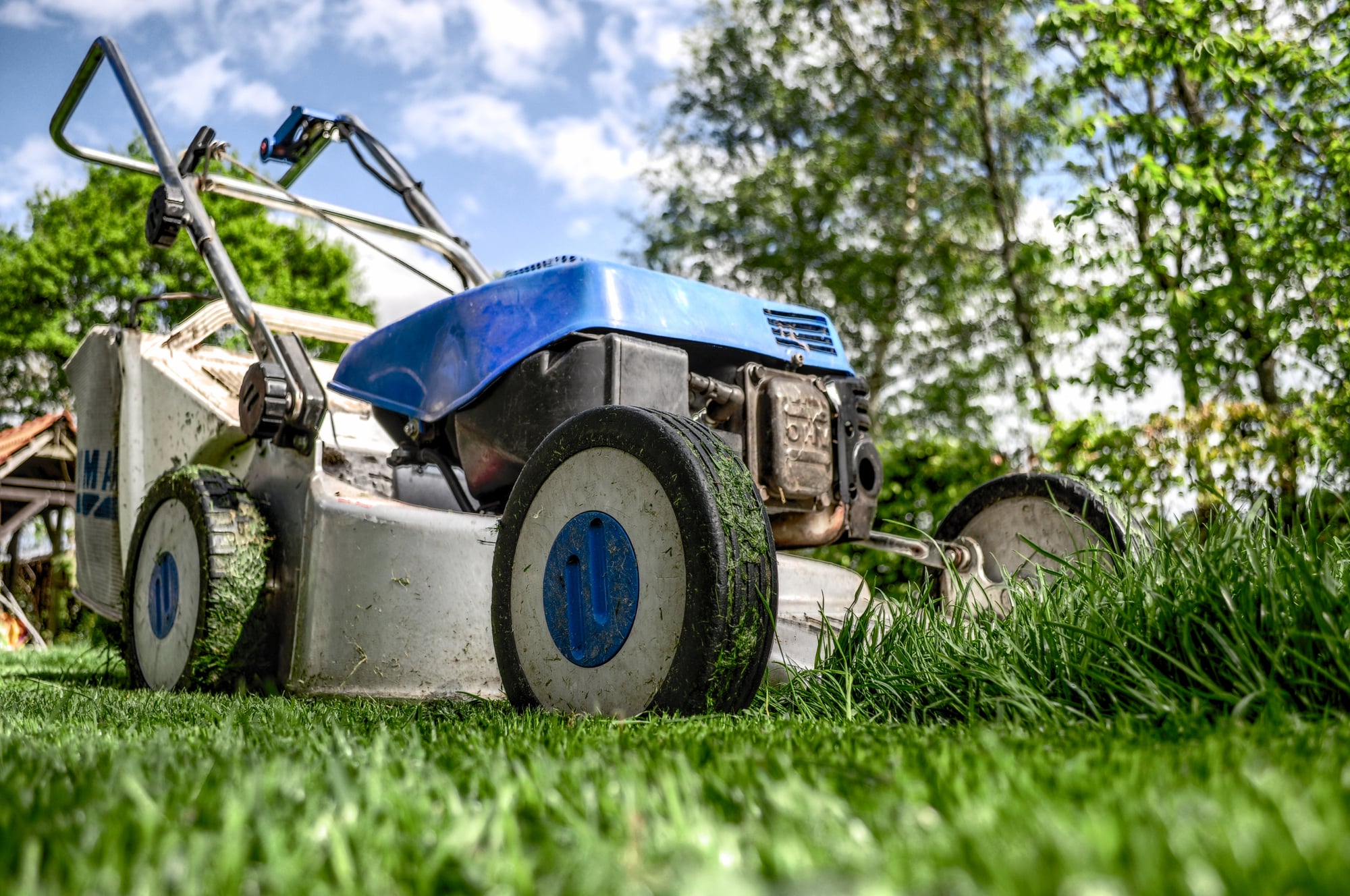
Credit: www.Pixel.la Free Stock Photos · CC0
Grass is a kind of plant with long, narrow leaves and hollow stems. Grasses grow on every continent, including Antarctica. They belong to a plant family called Poaceae, which has more than 12,000 different species. Grass covers about a fifth of all the land on Earth.
Most grasses share the same basic shape. Their leaves, called blades, grow upward from the base, not from the tip. This is why a lawn keeps growing back after you cut it. Cutting the top does not hurt the part that makes new growth. Animals that eat grass, like cows and bison, have been trimming it the same way for millions of years.
Grasses also grow tiny flowers, but you have probably never noticed them. Grass flowers do not have bright petals. They are small, green, and easy to miss. Instead of using insects to spread pollen, most grasses use the wind. That is also why so many people sneeze in spring and summer. Grass pollen is one of the most common causes of hay fever.
The grass family includes some of the most important food plants in the world. Wheat, rice, corn, oats, barley, and rye are all grasses. So is sugarcane, which is where most table sugar comes from. More than half of the calories that humans eat each day come from grass seeds, which we call grains. Without grasses, it would be hard to feed eight billion people.
Some grasses do not look like grass at all. Bamboo is a true grass, even though it can grow taller than a house. The biggest kinds of bamboo can reach 100 feet, taller than a ten-story building. Other grasses, like the short tufts in the Arctic tundra, barely poke above the ground.
Grasses also shape huge parts of the planet. The African savanna, the American prairie, the steppes of Asia, and the pampas of South America are all giant grasslands. These places support enormous herds of animals, from zebras and elephants to bison and antelope. When the prairies of North America were first plowed for farms in the 1800s, settlers found soil so deep and rich that it had taken thousands of years to build.
The next time you walk across a lawn or a park, look down. You are stepping on one of the most successful plant families ever to grow on Earth.
Last updated 2026-04-25