
Farm
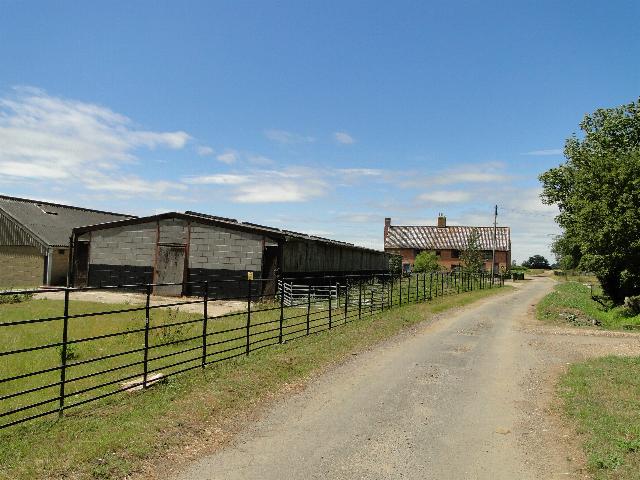
Credit: Adrian S Pye · CC BY-SA 2.0
A farm is a piece of land where people grow crops, raise animals, or both. Farms produce most of the food that people around the world eat. They also grow plants used for clothing, like cotton, and plants used to feed animals, like hay and corn. Farms can be tiny gardens that feed one family, or huge fields that stretch for miles.
People have been farming for about 12,000 years. Before that, humans were hunters and gatherers. They moved from place to place to find food. Then, in different parts of the world, people learned how to plant seeds and tame wild animals. This change is called the Neolithic Revolution. Once people could grow their own food, they could stay in one place. Villages grew into towns, and towns grew into the first cities.
Farms look different depending on where they are. In the rice paddies of Southeast Asia, farmers grow rice in flooded fields. In the dry plains of the American Midwest, farmers grow wheat and corn across huge open spaces. In the mountains of Peru, farmers carve flat steps called terraces into steep hillsides to make room for potatoes. In Africa, many small family farms grow yams, cassava, and millet by hand.
Animals on farms are called livestock. The most common are cows, pigs, chickens, sheep, and goats. Cows give milk and beef. Chickens lay eggs. Sheep give wool. Goats give milk and cheese. Some farms keep just one kind of animal in very large numbers. Other farms keep a mix.
Farming has changed more in the last 200 years than in the 10,000 years before. Tractors replaced horses and oxen. Machines now plant seeds, water crops, and pick fruit. One American farmer today can grow enough food to feed about 165 people. In 1900, one farmer could feed about 12. Because of these changes, fewer people are needed to do the work. Only about 1 in 100 Americans now lives on a farm. A hundred years ago, it was closer to 1 in 3.
Modern farming feeds billions of people, but it also raises tough questions. Big farms use a lot of water, fuel, and chemicals called pesticides. Some pesticides hurt bees, birds, and rivers. Many farmers and scientists are testing new ideas, like planting different crops side by side, using less water, and feeding animals in healthier ways. The farm of the future may look very different from the farm of today.
Last updated 2026-04-26