
Christmas
Credit: File:NativityChristmasLights.jpg: derivative work: Crumpled Fire · CC BY-SA 2.0
Christmas is a holiday celebrated each year on December 25. It began as a Christian holiday marking the birth of Jesus Christ. Today it is celebrated by Christians around the world and also by many people who are not religious. Christmas mixes religious traditions with older winter customs, family gatherings, gift giving, and special foods.
Christians believe Jesus was born in a small town called Bethlehem about 2,000 years ago. The Bible says he was born in a stable because there was no room at the inn. Shepherds came to visit, and later three wise men brought gifts of gold, frankincense, and myrrh. Christmas means "Christ's Mass," named after a special church service.
Nobody actually knows what day Jesus was born. The Bible does not give a date. Early Christian leaders chose December 25 in the fourth century. Some historians think they picked it because Romans were already celebrating a winter festival around that time. Other scholars argue the date came from religious math, not from copying older holidays. The debate is still going on today.
Many Christmas traditions are much older than the Christian holiday. People in northern Europe held big feasts during the longest, darkest nights of winter. They brought evergreen branches indoors as a sign that life would return in spring. They lit fires and candles to push back the dark. When Christianity spread through Europe, these older customs blended into the new holiday.
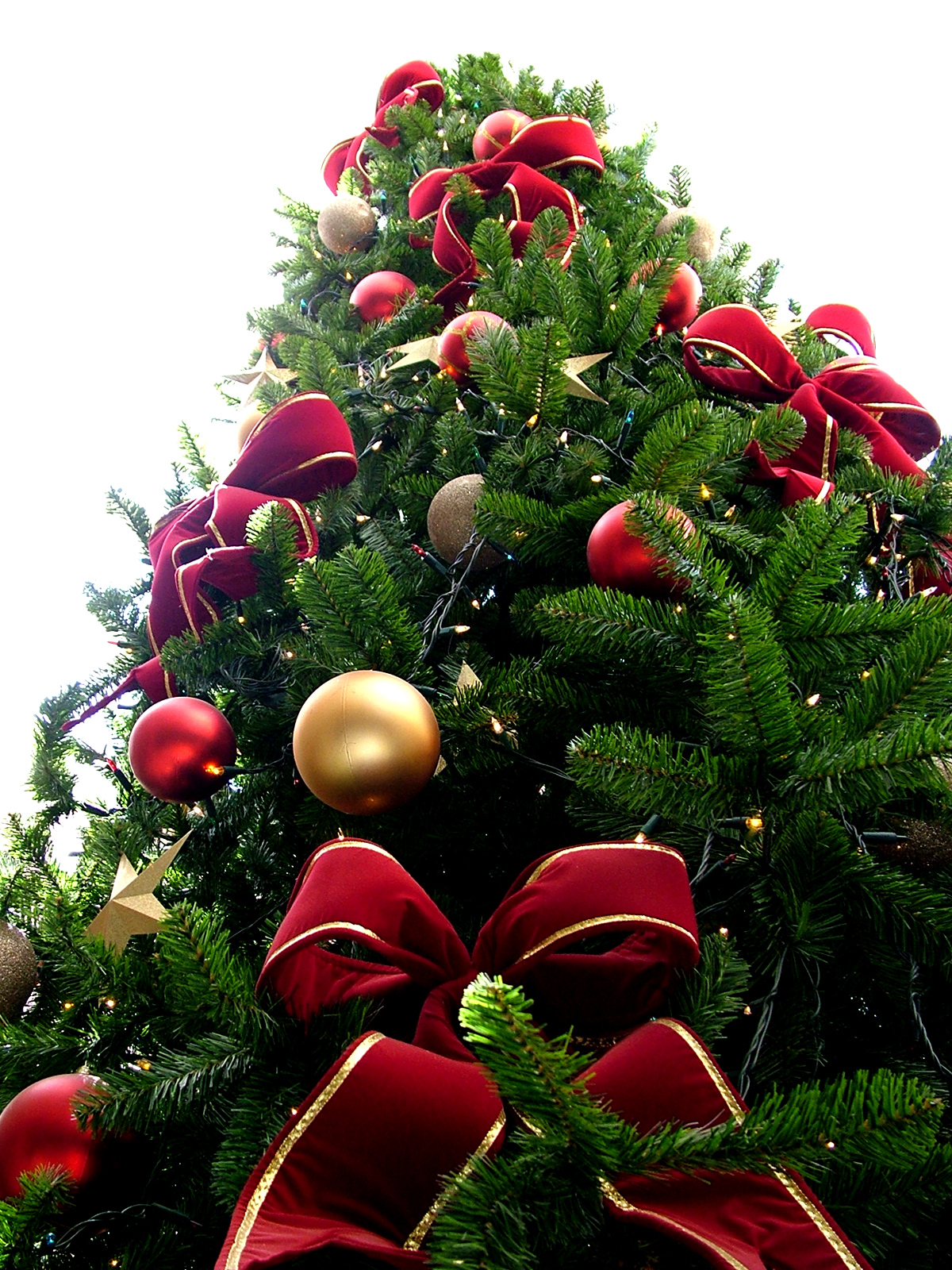
The Christmas tree as we know it began in Germany in the 1500s. Families decorated small fir trees with apples, nuts, and candles. The tradition spread to Britain in the 1840s, after Queen Victoria's German husband, Prince Albert, set up a tree at the palace. Soon families across the English-speaking world copied the idea.
Santa Claus comes from a real person: Saint Nicholas, a Christian bishop who lived in what is now Turkey around 300 CE. He was famous for giving secret gifts to poor children. Over the centuries, his legend traveled across Europe and changed shape. Dutch settlers brought "Sinterklaas" to America, where his name slowly became Santa Claus. The red suit, sleigh, and reindeer were added in the 1800s through poems, stories, and later advertisements.
Different countries celebrate in different ways. In Mexico, families put on plays called posadas in the nine days before Christmas. In Sweden, children dress in white robes for Saint Lucia Day. In Ethiopia, Christians celebrate Christmas on January 7, following an older calendar. The holiday looks different in every place, but the idea of light, family, and giving runs through almost all of them.
Related
Last updated 2026-04-26