
Music
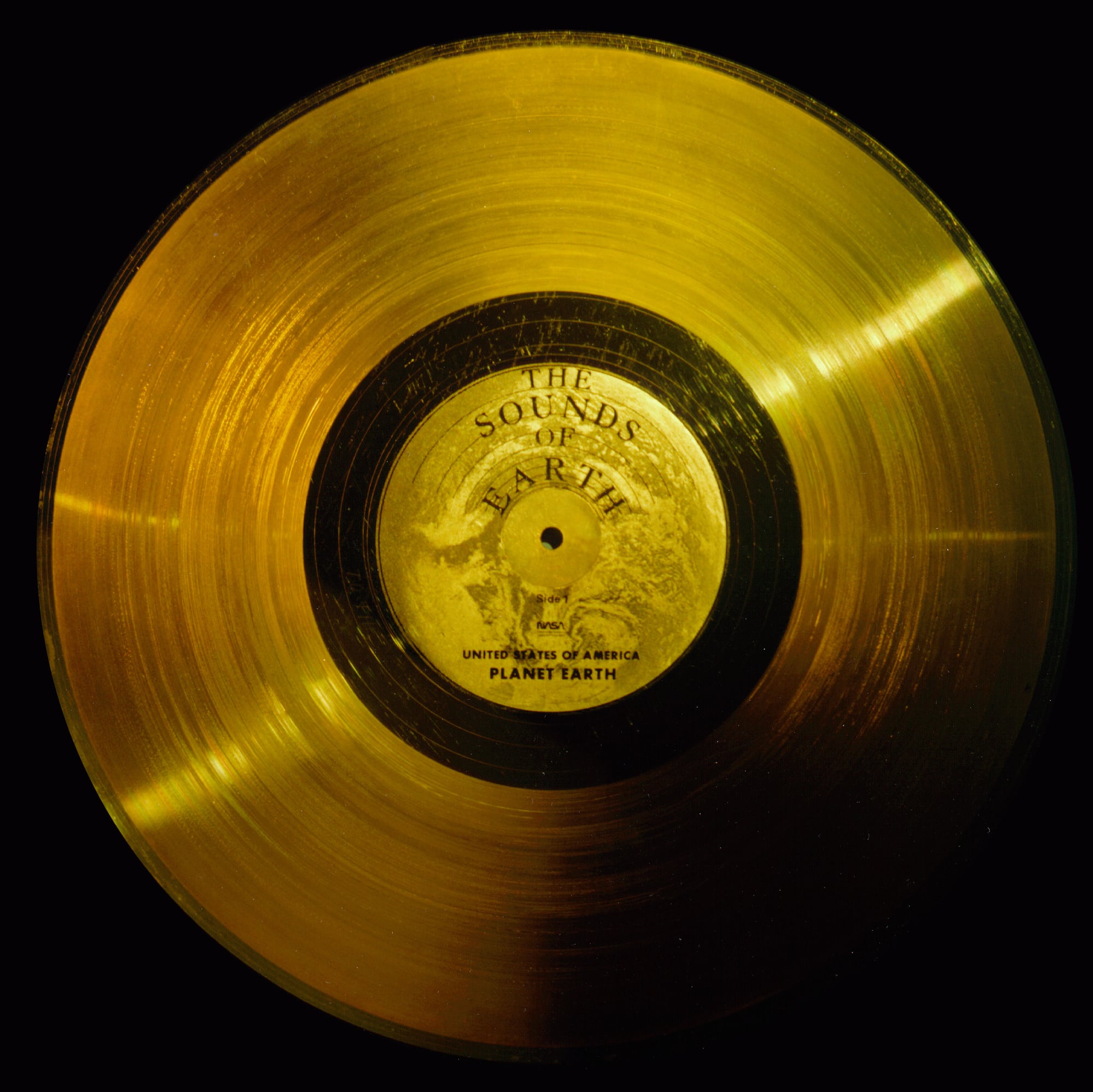
Credit: NASA · Public domain
Music is sound that people organize on purpose to be listened to. It is made by singing, by playing instruments, or by using machines and computers. Every culture on Earth makes music, and people have been making it for tens of thousands of years.
All music is built from a few basic parts. Pitch is how high or low a sound is. Rhythm is the pattern of long and short beats. Melody is a tune, made of pitches played one after another. Harmony is two or more pitches played at the same time that sound good together. Volume is how loud or soft the music is. A composer mixes these parts the way a cook mixes ingredients.
Instruments are the tools people use to make music. They fall into a few main families. String instruments, like the guitar and violin, make sound when their strings vibrate. Wind instruments, like the flute and trumpet, make sound when air moves through them. Percussion instruments, like drums, make sound when you hit them. Keyboard instruments, like the piano, use keys to play many notes at once. The human voice is an instrument too, and it may be the oldest one.
Music is older than writing. Archaeologists have found bone flutes in Europe that are about 40,000 years old. That is older than the first cave paintings. Every ancient civilization wrote about music. The Greeks built whole theories around it, and ancient Chinese rulers used special bells in royal ceremonies.
There are thousands of styles, called genres. Classical music, jazz, rock, hip-hop, country, blues, reggae, and pop are just a few. Each genre has its own rules, instruments, and history. Genres also borrow from each other. Rock and roll grew out of blues and country in the 1950s. Hip-hop grew out of funk, soul, and spoken poetry in New York City in the 1970s.
Why does music affect people so strongly? Scientists are still working on the answer. Studies show that music can change your heart rate, lift your mood, and help you remember things. Brain scans show that listening to a favorite song lights up many parts of the brain at once, including the parts that handle emotion, memory, and movement. Some scientists think music helped early humans bond in groups, long before they had language.
Today, almost anyone can record a song on a phone and share it with the world. But the basic act has not changed in 40,000 years. A person makes a sound on purpose, and another person listens.
Last updated 2026-04-26